Natural Processing, Market Value, Benefits & Global Trade
Sun dried raisins are one of the oldest and most natural dried fruit products in the world. Produced by drying ripe grapes under direct sunlight, this traditional method preserves the fruit’s natural sweetness, nutritional value, and authentic flavor without relying on artificial heat or intensive industrial processing.
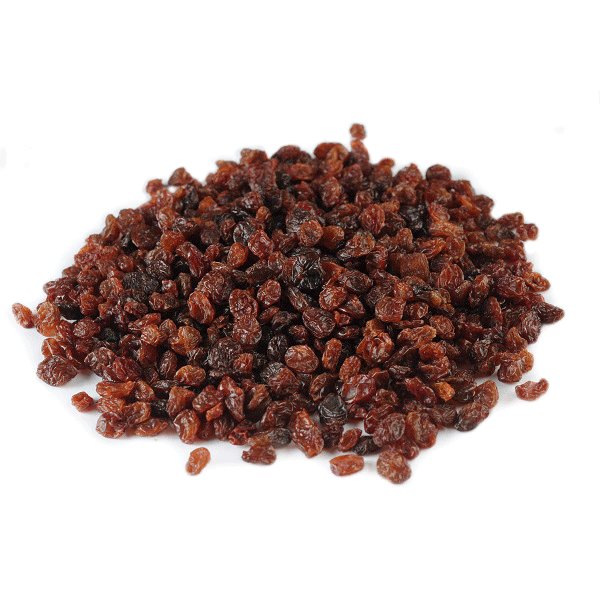
Today, sun dried raisins remain a highly demanded commodity in global food markets, valued for their clean-label appeal, cost efficiency, and versatility across baking, confectionery, food manufacturing, and retail sectors.
| Sun dried raisins are one of the oldest and most natural dried fruit products in the world. Produced by drying ripe grapes under direct sunlight,Today, sun dried raisins remain a highly demanded commodity in global food markets, valued for their clean-label appeal, cost efficiency, and versatility across baking, confectionery, food manufacturing, and retail sectors,Sun dried raisins represent a significant share of the global raisin industry, particularly in regions with favorable climate conditions such as Turkey, Iran, India, Afghanistan, Uzbekistan, and parts of the United States. |
Global Sun Dried Raisin Market Overview (H2)
Sun dried raisins represent a significant share of the global raisin industry, particularly in regions with favorable climate conditions such as Turkey, Iran, India, Afghanistan, Uzbekistan, and parts of the United States.
Industry Statistics (H3)
-
Global raisin production exceeds 1.3 million metric tons annually
-
Sun dried raisins account for more than 60% of total raisin output worldwide
-
Turkey alone produces over 250,000 tons of sun dried sultana raisins per year
-
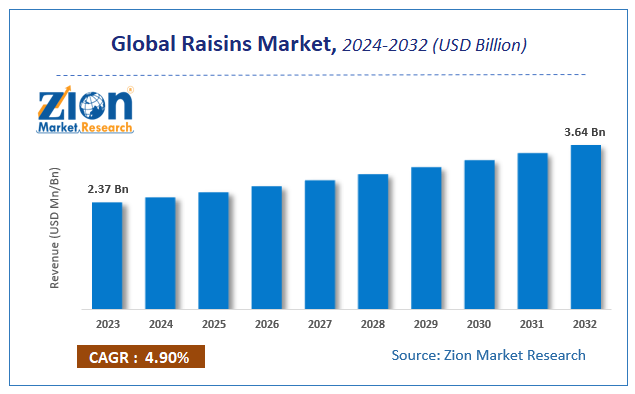
The global dried fruit market is valued at USD 9–10 billion, with raisins as a leading category
📌 Sources: FAO (Food and Agriculture Organization), International Nut & Dried Fruit Council (INC), USDA Specialty Crops Reports
These numbers highlight the economic importance of sun dried raisins in international agricultural trade.
What Is a Sun Dried Raisin? (H2)
A sun dried raisin is produced by drying fresh grapes naturally under sunlight, without mechanical dryers. This process typically takes 2 to 3 weeks, depending on temperature, humidity, and grape variety.
Key Characteristics (H3)
-
Naturally dark brown to amber color
-
Intense sweetness due to sugar concentration
-
Slightly chewy texture
-
Minimal processing and low energy input
-
Long shelf life under proper storage conditions
Specialized term: Natural Dehydration Process (NDP)
Sun Drying Process Explained (H2)
1. Grape Harvesting (H3)
Grapes are harvested at optimal Brix levels (18–24°) to ensure sufficient sugar content for quality raisin production. Seedless varieties such as Thompson Seedless and Sultana are most commonly used.
2. Sun Drying Stage (H3)
Grapes are laid on:
-
Drying trays
-
Concrete patios
-
Natural soil beds (traditional methods)
They are exposed to direct sunlight and natural airflow, which slowly removes moisture.
Specialized term: Solar Dehydration
3. Turning & Moisture Control (H3)
Grapes are turned periodically to ensure:
-
Uniform drying
-
Reduced microbial risk
-
Target moisture content of 13–16%
This stage is crucial for maintaining product stability and shelf life.
4. Collection & Basic Processing (H3)
After drying, raisins undergo:
-
Cleaning
-
Destemming
-
Manual or mechanical sorting
-
Packaging for bulk or further processing
Unlike golden or mechanically dried raisins, sun dried raisins require minimal industrial intervention, enhancing their natural positioning.
Nutritional Profile & Health Benefits (H2)
Sun dried raisins are nutrient-dense and free from artificial additives.
Nutritional Values (Per 100g Approx.) (H3)
| Nutrient | Amount |
|---|---|
| Energy | 300–320 kcal |
| Carbohydrates | 75–80 g |
| Natural Sugars | 59–65 g |
| Dietary Fiber | 3–4 g |
| Potassium | ~750 mg |
| Iron | ~1.8 mg |
| Calcium | ~50 mg |
Sources: USDA FoodData Central, INC Nutrition Studies
Health Advantages (H3)
-
Supports digestive health due to fiber content
-
Provides fast natural energy
-
Contributes to bone health (calcium & boron)
-
Contains antioxidants such as polyphenols
“Sun dried raisins deliver natural energy and micronutrients without added sugars or preservatives.”
— Nutrition Researcher, Dried Fruit Institute
Sun Dried vs Other Raisin Types (H2)
Comparison Overview (H3)
| Type | Drying Method | Additives | Color |
|---|---|---|---|
| Sun Dried Raisin | Natural sunlight | None | Dark brown |
| Golden Raisin | Mechanical + sulfur | Yes | Golden |
| Green Raisin | Shade dried | Minimal | Green |
| Industrial Raisin | Hot air drying | Possible | Variable |
Sun dried raisins are especially attractive for organic, natural, and clean-label markets.
Commercial Value & Pricing (H2)
Sun dried raisins are considered cost-efficient compared to mechanically dried varieties.
Price Dynamics (H3)
-
Lower production cost due to minimal energy use
-
Competitive pricing for bulk buyers
-
Suitable for high-volume industrial applications
-
Strong demand from bakery and cereal manufacturers
Typical wholesale pricing for sun dried raisins ranges from USD 1,200 to USD 3,500 per metric ton, depending on origin, quality, and grade.
Sources: Tridge, USDA Market Reports, Commodity Trade Platforms
Major Exporting Countries (H2)
Sun dried raisins are exported globally from:
-
🇹🇷 Turkey (Sultana raisins)
-
🇮🇷 Iran (Natural seedless raisins)
-
🇮🇳 India (Brown sun dried raisins)
-
🇺🇸 USA (California Natural Seedless)
-
🇺🇿 Uzbekistan & Afghanistan
These origins benefit from dry climates and strong agricultural traditions, ideal for solar drying.
Role of Processing Plants in Sun Dried Raisins (H2)
Although sun dried raisins are naturally produced, professional processing plants are essential for export.
Processing Includes (H3)
-
Optical sorting
-
Metal detection
-
X-ray inspection
-
Quality grading
-
Export-standard packaging
“Natural drying must be complemented by modern processing to meet global food safety standards.”
— Quality Control Manager, Raisin Export Facility
Packaging & Shelf Life (H2)
Packaging Options (H3)
-
Bulk cartons: 5 kg, 10 kg, 12.5 kg
-
Retail packs: 100 g to 1 kg
-
Vacuum-sealed or MAP packaging
Shelf life ranges from 12 to 24 months under cool, dry storage.
SEO Keywords for Sun Dried Raisins (H2)
To maximize search visibility, use:
-
Sun dried raisin
-
Natural sun dried raisins
-
Sun dried seedless raisins
-
Bulk sun dried raisins supplier
-
Organic sun dried raisins
-
Sun dried raisin exporter
-
Traditional dried grapes
Conclusion: Why Choose Sun Dried Raisins? (H2)
Sun dried raisins represent the perfect balance between tradition, nutrition, and commercial value. With minimal processing, strong global demand, and competitive pricing, they remain a cornerstone of the dried fruit industry.
For importers, manufacturers, and retailers seeking authentic, natural, and cost-effective dried fruit solutions, sun dried raisins offer unmatched advantages in today’s clean-label and sustainability-driven market.
All Type Of Raisin
-
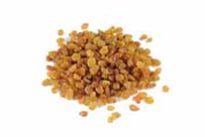
Golden Long Raisin
Golden Long Raisin also is known as Golden Raisin Jumbo or Kashmari Golden Raisin. As it is clear from its name the color of this raisin is golden. Raisins, in general, are dried grapes.
-
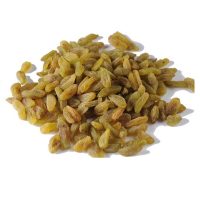
Green Raisins ( Jumbo Raisins ) wholesale price + analysis + sale offer
Green Raisins | Jumbo Raisins : Green Raisins also are known as Green Jumbo Raisin, Kashmari (Kashmiri) Green Raisins and Green Long Raisins. As it is clear from its name the color of this raisin is green. Raisins, in general,…
-
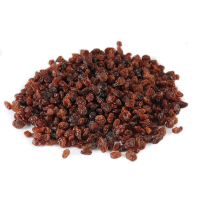
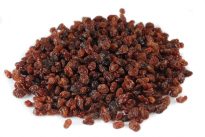
sultana raisin dark brown special wholesale price + analysis + sale offer
This kind is prepared by drying the fruit in full sun and results in a dark color.
-
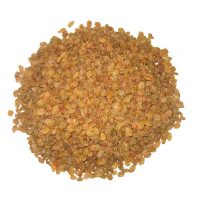
Sultana Raisin Light Brown Special wholesale price + analysis + sale offer
Sultana Raisins Light Brown are dried Seedless grapes of the Vitis vinifera species. Customers also know this raisin as Malayer Raisin or Seedless Thompson. As it is clear from its name the color of this raisin is light brown. Farmers…
-
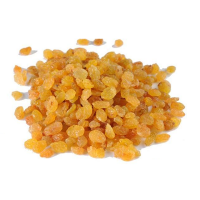
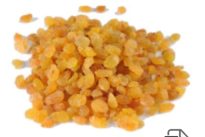
Golden Raisin Special wholesale price + analysis + sale offer
This kind is oven-dried and then sulfur is added to preserve its color.
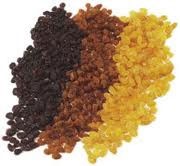 3 kind raisin