A Global Opportunity for Traders and Investors
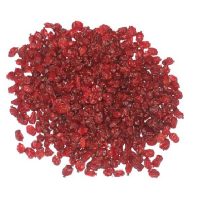
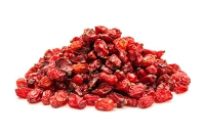
Iranian barberry (Berberis vulgaris), known locally as زرشک (zereshk), is one of Iran’s most distinguished agricultural export commodities. With a rich ruby-red color, tart flavor, and high antioxidant content, Iranian barberries have established demand in global markets across Europe, the Middle East, and Central Asia. This article explores the export dynamics, market statistics, key destination countries, challenges, and commercial opportunities for businesses looking to leverage the growing barberry trade.
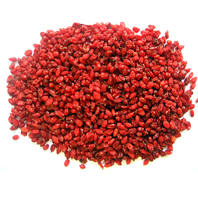
What Makes Iranian Barberry a Valuable Export Product?
Iranian barberries are unique for several reasons:
-
Culinary versatility: Used in traditional Persian cuisine (like zereshk polo), sauces, and confectionery. Serious Eats
-
Health attributes: High in antioxidants and prized in functional foods.
-
Dominant production: Iran accounts for over 95% of global supply, mainly from South Khorasan Province. Serious Eats
This rare combination of taste, health benefits, and production exclusivity makes barberry an appealing agricultural export.
| Iranian barberry (Berberis vulgaris), known locally as زرشک (zereshk), is one of Iran’s most distinguished agricultural export commodities,With a rich ruby-red color, tart flavor, and high antioxidant content, Iranian barberries have established demand in global markets across Europe,Iran exported barberries to 28 countries,Barberry exports have experienced seasonal fluctuations, sometimes dipping due to inventory issues or production volatility. |
Export Statistics: Growth and Market Share
Export figures over recent years paint a nuanced picture of the barberry trade’s competitive and dynamic nature:
Recent Export Growth
According to Tridge, in 1401 (2022–2023 Iranian calendar):
-
Iran exported barberries to 28 countries.
-
Approximately 420,121 kg of seedless barberry was exported to 23 destinations, valued at $423,661.
-
Around 166,104 kg with seeds went to 19 countries, valued at $175,512. Mehr News
This amounts to roughly 617,888 kg of total barberry exports worth about $631,462, representing +11% in export weight and +4% in export value over the prior year. Mehr News
Main Export Destinations
Iran’s barberry export network spans multiple continents, with key markets including:
| Country | Key Position |
|---|---|
| Turkey | ~38.7% of Iranian barberry exports (221,564 kg) Commodity Board Europe GmbH |
| United Arab Emirates | ~17.1% (97,873 kg) Commodity Board Europe GmbH |
| Russia | ~8.6% (49,191 kg) Commodity Board Europe GmbH |
| Iraq | ~7.8% (44,450 kg) Commodity Board Europe GmbH |
| Kazakhstan | ~4.9% (28,220 kg) Commodity Board Europe GmbH |
| Germany | Notable European market presence. Commodity Board Europe GmbH |
Turkey and UAE act as pivotal hubs, often re-exporting Iranian barberries into Europe and other Asian markets, increasing commercial reach. Commodity Board Europe GmbH
Market Volatility: Challenges in Export Volume
Barberry exports have experienced seasonal fluctuations, sometimes dipping due to inventory issues or production volatility:
-
June exports declined by ~25.6% compared to May and 37.4% compared to June of the previous year. Commodity Board Europe GmbH
-
Earlier periods showed variable export weight impacted by weather and supply fluctuations. Commodity Board Europe GmbH
These dynamics highlight the market’s sensitivity to yield variation, pricing shifts, and seasonal demand — important commercial considerations for long-term supply agreements.
Types of Barberry Products for Export
Commercial exporters focus on two key product categories:
1. Dried Seedless Barberry
-
Highly demanded for culinary export and often commands better pricing.
-
Dominates export volume thanks to longer shelf life.
2. Barberry with Seeds
-
Still significant, but slightly lower in export volume and value.
-
Preferred in some traditional recipes and ethnic markets.
Both product types require quality assurance, moisture control, and standardized packaging to meet international buyer expectations.
Commercial Insights: Best Practices for Exporters
To penetrate and expand in global markets, exporters should adopt these strategies:
Quality Certification & Hygienic Processing
International buyers increasingly demand GMP, HACCP, or organic certification to ensure product safety and traceability. Lack of compliant drying and packing facilities has previously limited market access. Mundus Agri
“Hygiene and proper processing techniques are essential for barberry acceptance in developed markets,” according to industry reports.
Target High-Value Markets
Focus on value-added markets such as:
-
EU countries (Germany, Netherlands)
-
North America (USA, Canada)
-
Specialty health and organic food retailers
These segments are willing to pay premiums for certified, high-quality barberries.
Marketing and Branding
Producer testimonials emphasize the importance of brand identity:
“Barberry exports bring not only foreign exchange but international recognition for Iranian agricultural innovation.”
Building brand identity around provenance (e.g., South Khorasan) enhances product story and market differentiation.
Price Trends & Economic Performance
Recent commercial data indicates markets respond to production and currency fluctuations:
-
Barberry prices surged due to limited domestic inventories and export constraints, even doubling in some seasons. Tasnim News
-
Exchange rates, seasonal demand, and global inflation affect competitiveness.
Traders must monitor price indices, currency shifts, and export tariffs to optimize margins.
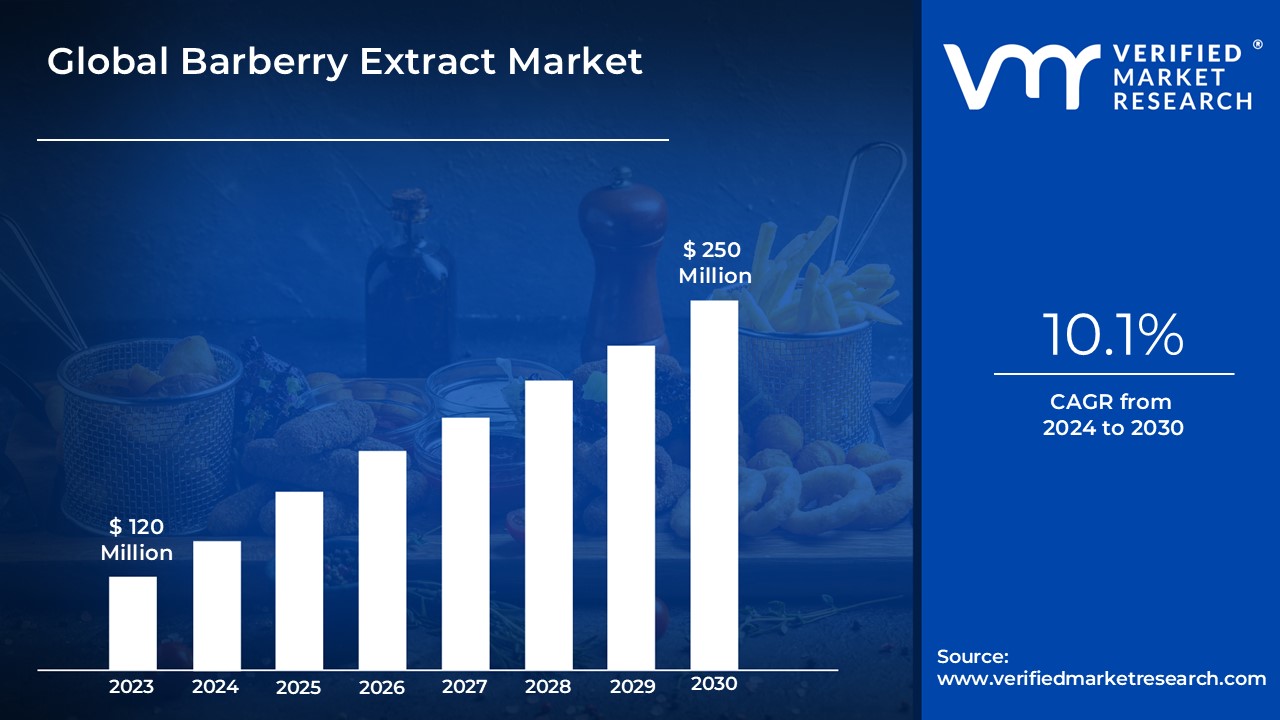
Market Forecast: Why Barberry Remains a Strategic Export
Barberry export continues to be a strategic economic driver due to:
-
Diversification of non-oil exports
-
High demand in ethnic, specialty, and organic food segments
-
Low global supply competition outside Iran
According to global market blogs, Iranian barberries are increasingly recognized as a “rising superfood export,” driven by health trends and gourmet cuisine demand. Blumental Bayern
Conclusion: Seizing Export Opportunities
Iranian barberry export embodies a lively intersection of agricultural heritage and global commerce. With rising demand, established market channels, and unique product attributes, enterprising exporters can achieve sustainable growth.
To succeed:
-
Implement strict quality and hygiene standards.
-
Expand market reach through strategic trade partnerships.
-
Leverage barberry’s cultural and health appeal in marketing campaigns.
By focusing on quality, compliance, and smart market targeting, Iranian barberry export can transform from a niche commodity into a profitable global agricultural brand.

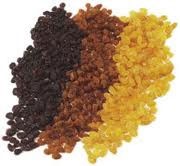 3 kind raisin