Iran Dates Fruit
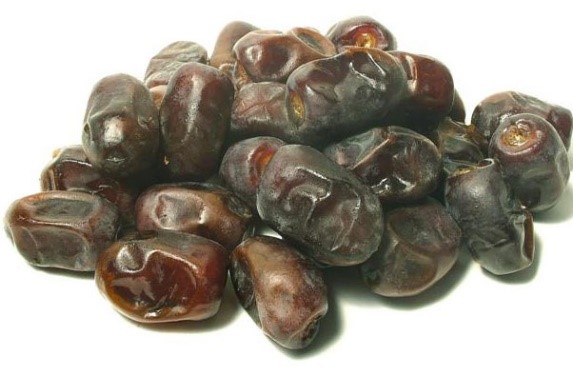
we have all kind of iranian date fruit for you , chose and order us
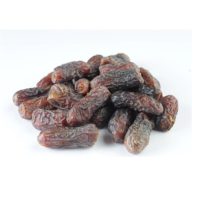
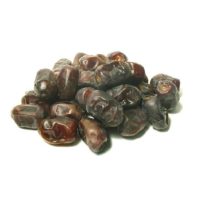
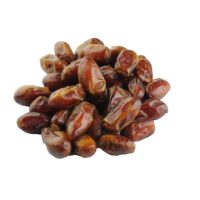
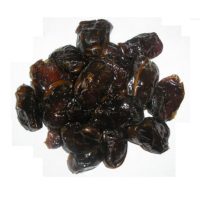
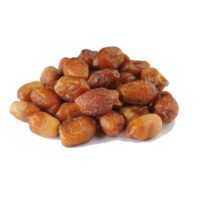
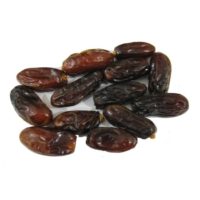
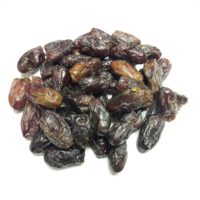
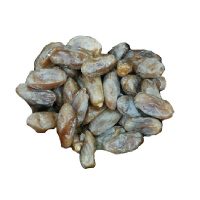
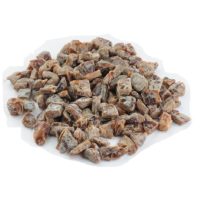
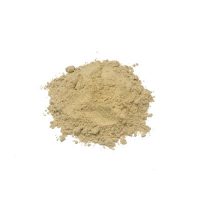
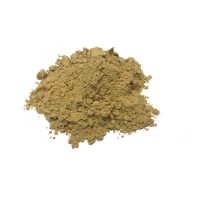
Description of Iran Dates Fruit
Iran Dates are grown on palm trees in southern provinces of Iran because they need hot climate to thrive. Palm trees grow about 21-23 meters high.
About 400 varieties of Date Fruits are cultivated in Iran, but only some of them are exported to other countries and reason why this is the case it their taste, moisture and price.
We export 9 different types of Iranian Dates:
The Uses of Date
- Food uses:
The Date Fruit can be eaten plain or used for cooking in chopped form for cakes, sweets, pudding, bread, ice cream, cereal, candy. The surplus Date is used in jam, jelly, juice, syrup, vinegar, and alcohol.
- Medicinal Uses:
The fruit, because of its tannin content, can be used medically as a derisive and astringent for intestinal diseases. It can be used as an infusion. Date syrup or paste and is administered as a treatment for sore throat, colds, and bronchial catarrh. Date fruit is taken to relieve fever, cystitis, gonorrhea, edema and liver and abdominal diseases. It is also said to counteract alcohol intoxication.
Dates Garden and Factory


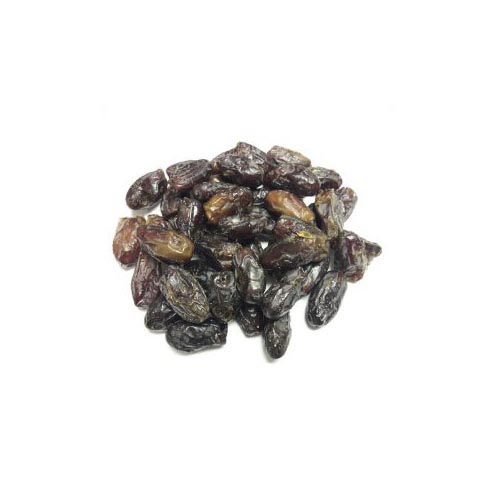
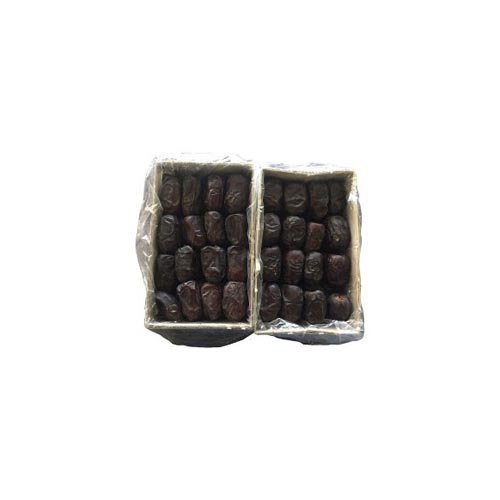
Dates Packing
some pictures of different types of dates packing
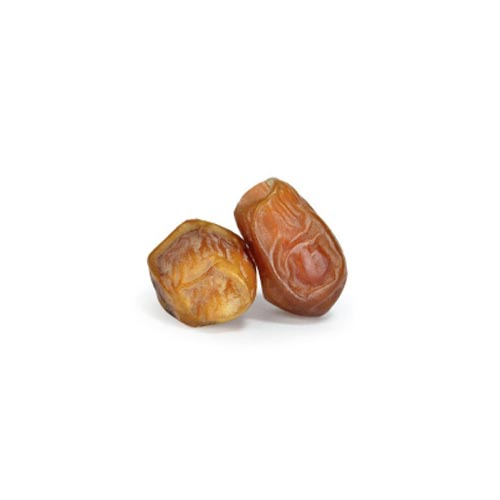
The History of Date Fruit
It is believed that date palm originated from the area around the Persian Gulf, South Africa, and India. However, researchers say that Iranians were the first nation to use the date as a food and also used it for medical purposes. The date palm is probably the oldest tree, which has been cultivated in the world. The Date fruit is considered a divine fruit because they are mentioned in the Quran and the Torah, in other words, it is believed that, this fruit is among the seven holy fruits in the world.
Botanical Information of the Date
The Date Fruit goes through 4 stages of development:
- Chimri, or Kimri, stage- the first 17 weeks after pollination: the date is green, hard, bitter containing 80% moisture and 50% sugars (glucose and fructose) by dry weight.
- Khalal stage- the next 6 weeks: the date becomes full-grown, still hard, the color changes to yellow, orange or red, the sugars increase and become largely sucrose.
- Rutab stage- the next 4 weeks: the date is half-ripe, they soften, turn to light brown, and some sucrose reverts to reducing sugar which continues to increase.
- Tamar stage- the last 2 weeks: date become soft and their sugars reduce.
Nutritional Value of Date
Dates Calorie Information
| Type | Amount | %DV |
|---|---|---|
| Calories | 66.5(278 kJ) | 3% |
| From Carbohydrate | 64.7(271 kJ) | |
| From Fat | 0.3(1.3 kJ) | |
| From Protein | 1.5(6.3 kJ) | |
| From Alcohol | ~(0.0 kJ) |
Dates Protein & Amino Acids
| Type | Amount | %DV |
|---|---|---|
| Protein | 0.4g | 1% |
Dates Carbohydrates
| Type | Amount | %DV |
|---|---|---|
| Total Carbohydrate | 18.0g | 6% |
| Dietary Fiber | 1.6g | 6% |
| Starch | ~ | |
| Sugars | 16.0g |
Dates Vitamins
| Type | Amount | %DV |
|---|---|---|
| Vitamin A | 35.8IU | 1% |
| Vitamin C | 0.0mg | 0% |
| Vitamin D | ~ | ~ |
| Vitamin E (Alpha Tocopherol) | ~ | ~ |
| Vitamin K | 0.6mcg | 1% |
| Thiamin | 0.0mg | 1% |
| Riboflavin | 0.0mg | 1% |
| Niacin | 0.4mg | 2% |
| Vitamin B6 | 0.1mg | 3% |
| Folate | 3.6mcg | 1% |
| Vitamin B12 | ~ | ~ |
| Pantothenic Acid | 0.2mg | 2% |
| Choline | 2.4mg | --- |
| Betaine | 0.1mg | --- |
Dates Fats & Fatty Acids
| Type | Amount | %DV |
|---|---|---|
| Total Fat | 0.0g | 0% |
| Saturated Fat | ~ | ~ |
| Monounsaturated Fat | ~ | ~ |
| Polyunsaturated Fat | ~ | ~ |
| Total trans fatty acids | ~ | ~ |
| Total trans-monoenoic fatty acids | ~ | ~ |
| Total trans-polyenoic fatty acids | ~ | ~ |
| Total Omega-3 fatty acids | ~ | ~ |
| Total Omega-6 fatty acids | ~ | ~ |
Dates Minerals
| Type | Amount | %DV |
|---|---|---|
| Calcium | 15.4mg | 2% |
| Iron | 0.2mg | 1% |
| Magnesium | 13.0mg | 3% |
| Phosphorus | 14.9mg | 1% |
| Potassium | 167mg | 5% |
| Sodium | 0.2mg | 0% |
| Zinc | 0.1mg | 1% |
| Copper | 0.1mg | 4% |
| Manganese | 0.1mg | 4% |
| Selenium | ~ | ~ |
| Fluoride | ~ | ~ |
Dates Sterols
| Type | Amount | %DV |
|---|---|---|
| Cholesterol | ~ | ~ |
| Phytosterols | ~ | |
| Campesterol | ~ | |
| Stigmasterol | ~ | |
| Beta-sitosterol | ~ |
Dates Other parts
| Type | Amount | %DV |
|---|---|---|
| Alcohol | 0.0g | |
| Water | 5.1g | |
| Ash | 0.4g | |
| Caffeine | ~ | |
| Theobromine | ~ |
Footnotes for Dates
Source: Nutrient data for this listing was provided by USDA SR-21. Each “~” indicates a missing or incomplete value.
Percent Daily Values (%DV) are for adults or children aged 4 or older, and are based on a 2,000 calorie reference diet. Your daily values may be higher or lower based on your individual needs.
Global trade Of Date
The statistics of Iran date exports, according to the customer organization of Iran, are shown below. (values are in millions of dollars)
Note: Statistics are from March of each year.
According to FAO statistics (2004), Iran is the number one exporter of date fruits in recent years and Iranian date is exported to many countries.
Date Fruit Articles
Rabbie Date Price Per Ton
Market Insights and Trends Rabbie dates are one of the most sought-after varieties in the global date market. Known for their rich flavor, soft texture, and natural sweetness, they have become a favorite among consumers, retailers, and food manufacturers alike. … Readmore

Dried Date Powder Recipe
Natural Sweetness for Health and Business Dried date powder is a versatile, nutrient-rich product made from dehydrated dates. It serves as a natural sweetener and functional ingredient for food manufacturers, bakers, and health-conscious consumers. With rising demand for clean-label and … Readmore
Date Kernel Powder Recipe
Date Kernel Powder Recipe: Nutritious and Versatile Date kernel powder is a natural, nutrient-rich product made from the seeds of dates. Traditionally considered a byproduct, date kernels are now valued for their health benefits, fiber content, and versatility in culinary … Readmore
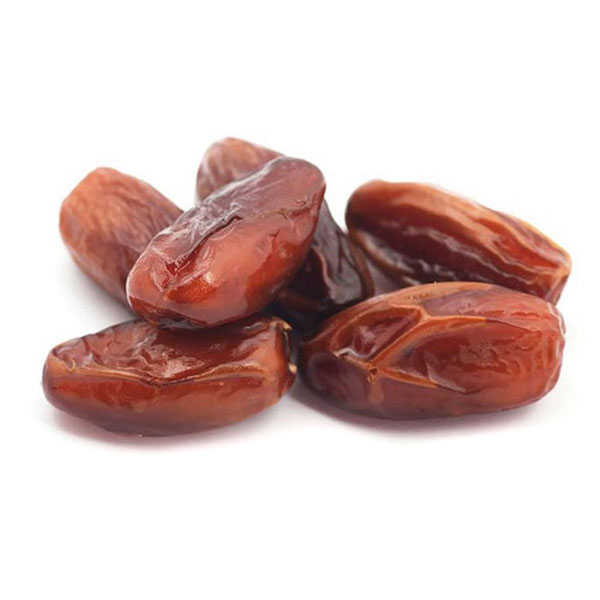
Piarom Dates Global Demand
Market Trends and Opportunities Piarom dates, often referred to as the “chocolate date,” are among the most luxurious and premium varieties of Iranian dates. With their dark brown skin, chewy texture, and naturally sweet taste, they have become highly sought … Readmore
Sayer Dates Global Demand
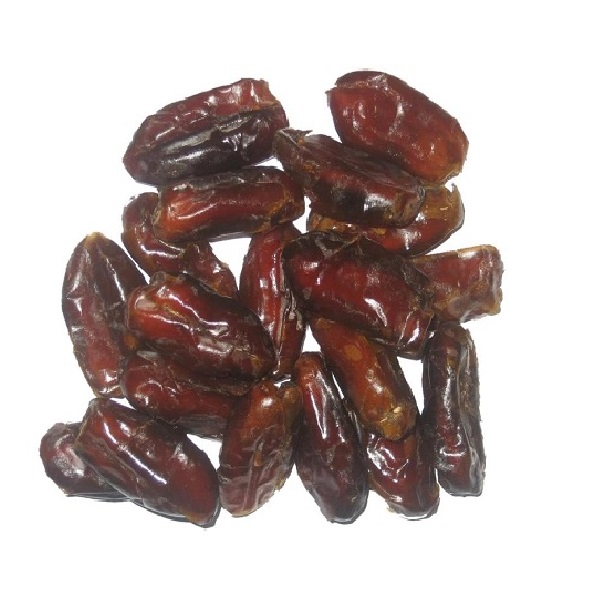
A Growing Market Opportunity Sayer dates, also known as Estameran dates, rank among the most popular semi-dry date varieties exported from Iran. With their caramel-like sweetness, long shelf life, and competitive pricing, they have become a favorite for global buyers. … Readmore
 3 kind raisin