High Global Demand and Top Importing Countries
Why Dried Mulberries Are Gaining Global Popularity
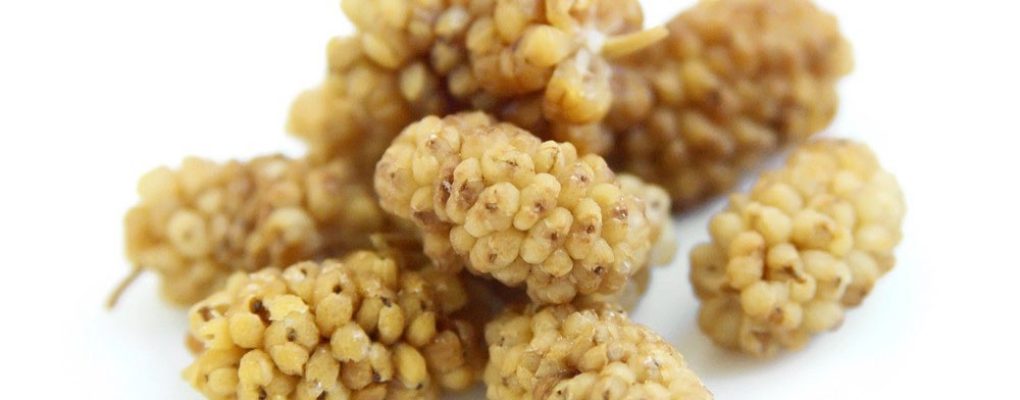
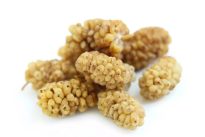
Dried mulberries have become a fast-growing commodity in the international superfood market. Known for their natural sweetness, high fiber, and rich antioxidant content, they are increasingly used in healthy snacks, cereals, baking mixes, and teas.
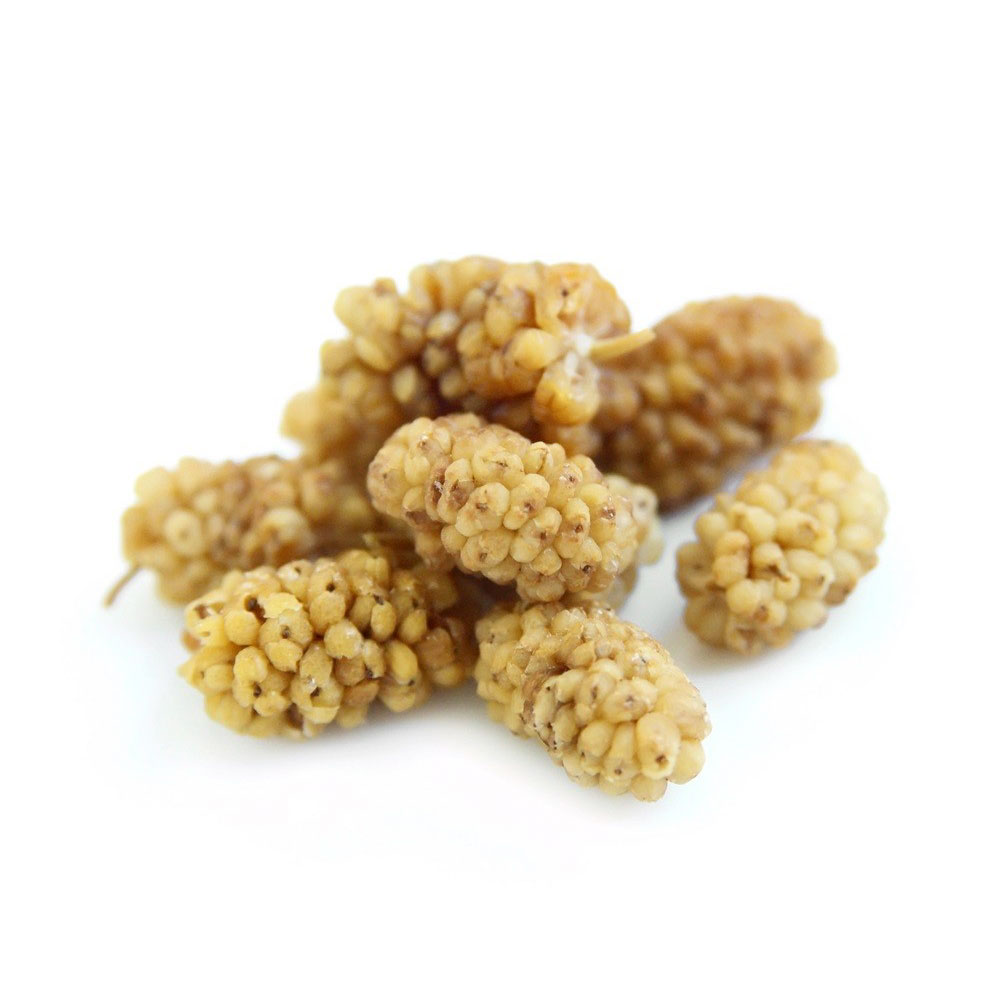
Moreover, with the global shift toward natural and nutrient-dense foods, demand for dried mulberries continues to rise. Because they’re free from added sugar, gluten, and preservatives, they meet clean-label standards—making them ideal for modern food manufacturing.
Leading Country for Dried Mulberry Imports
Germany: The Top Destination for Dried Mulberries
Among all importing nations, Germany stands out as the largest and most consistent buyer of dried mulberries. The country’s health-conscious population and strong organic food sector drive this demand.
In fact, Germany imports thousands of tons of dried fruits annually, with mulberries gaining special attention for their functional benefits. German consumers prefer naturally dried, organic-certified mulberries sourced from reliable origins such as Turkey, Iran, and Uzbekistan.
Furthermore, Germany’s retail and bulk food sectors actively use dried mulberries in:
-
Organic breakfast cereals and granola
-
Vegan snacks and trail mixes
-
Herbal teas and powdered blends
-
Gluten-free baking applications
Therefore, exporters looking to enter the European market often start by targeting Germany due to its stable regulatory framework and mature organic product demand.
Other High-Demand Countries and Market Trends
Rising Interest in the U.S., U.K., and South Korea
While Germany leads in volume, the United States, United Kingdom, and South Korea are quickly emerging as key markets. These countries have seen growing demand for superfoods and plant-based ingredients in recent years.
In the U.S., dried mulberries are popular in smoothie blends and raw snack bars. In the U.K., consumers favor them for low-sugar desserts and high-fiber breakfast options. Meanwhile, South Korea’s beauty and wellness industries increasingly use dried mulberries in teas and detox formulations.
Because these markets are focused on functional nutrition, mulberries offer a perfect match due to their content of iron, vitamin C, and resveratrol.
Export Opportunities for Producers
Global buyers look for mulberries that are:
-
Sun-dried or air-dried naturally
-
Free from artificial additives
-
Certified organic or non-GMO
-
Uniform in color, size, and texture
Exporters who can meet these quality standards—while offering competitive pricing and reliable logistics—will find strong demand, especially in Europe and Asia.
Moreover, offering bulk, retail-ready, or private-label packaging helps serve multiple buyer segments.
Conclusion: Germany Leads, but Global Demand Is Growing
Dried mulberries are no longer a niche product—they’re a global trend. With Germany as the top importer, and strong interest from countries like the U.S., U.K., and South Korea, the global market is ripe with opportunity. So, if you produce or trade dried mulberries, now is the time to focus on quality, certifications, and market-specific packaging to unlock new export success.
https://www.irandriedfruit.com/low-vs-high-qual…istachio-kernels/
 3 kind raisin