In the global dried fruit industry, buyers frequently compare Golden vs Sultana raisin to determine quality, sweetness level, and commercial value. Both varieties dominate supermarket shelves and bulk export markets; however, they differ in processing methods, color, texture, and target applications. Therefore, wholesalers, importers, and food manufacturers must understand these differences before placing large-volume orders.
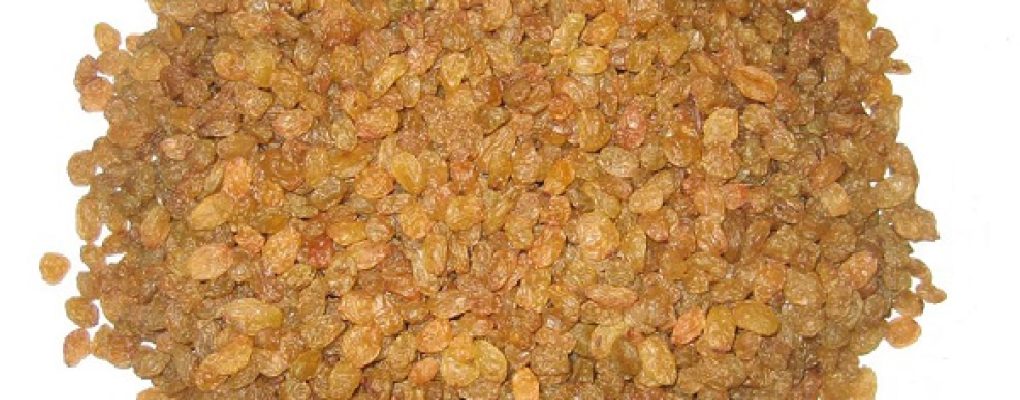
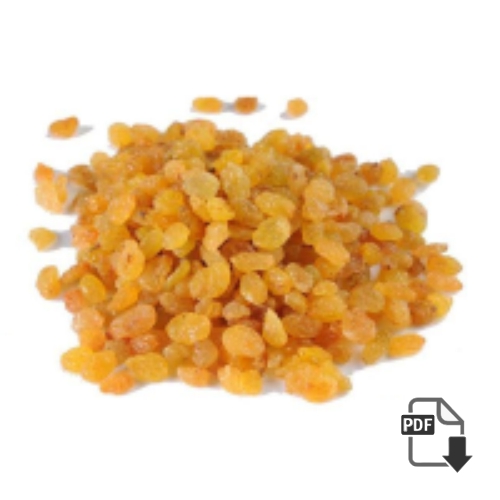
Golden-Raisin
Raisins remain a high-demand product in bakery, snack, cereal, and confectionery sectors. Consequently, choosing the right type directly impacts customer satisfaction, pricing strategy, and long-term profitability.
What Is a Golden Raisin?
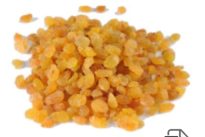
Golden raisin is a light-colored dried grape processed with sulfur dioxide to preserve its bright golden appearance. Producers typically dry these raisins in controlled drying facilities rather than under direct sunlight.
Characteristics of Golden Raisins
Golden raisins feature an attractive amber or yellow-gold color. Because producers treat them with sulfur during drying, they maintain a soft texture and slightly tangy-sweet flavor. As a result, many food manufacturers prefer them for premium bakery and cereal products.
Moreover, golden raisins offer consistent size and uniform color. Therefore, they work well in branded packaging where visual appeal plays a major role. In addition, their balanced sweetness makes them ideal for pastries, cakes, and granola mixes.
From a commercial perspective, golden raisins often achieve higher prices due to additional processing costs. However, their attractive appearance and strong demand in Western markets support stable margins.
What Is a Sultana Raisin?
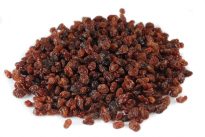
Sultana raisin, often simply called “sultana,” is typically made from seedless green grapes dried naturally in sunlight. This traditional drying method gives sultana raisins a darker golden-brown color.
Characteristics of Sultana Raisins
Sultana raisins have a naturally sweet flavor and a soft, juicy texture. Because producers dry them under the sun, they develop a rich, honey-like taste. Consequently, they are popular in home baking, snack production, and bulk food processing.
In addition, sultanas usually contain no heavy processing beyond washing and sorting. Therefore, they appeal to buyers seeking more natural dried fruit options. Many Middle Eastern and European markets strongly favor sultana raisins for their sweetness and versatility.
From a trade standpoint, sultanas often provide competitive pricing due to simpler processing methods. As a result, they perform well in high-volume export markets.
Golden vs Sultana Raisin: Key Commercial Differences
Color and Appearance
Golden raisins maintain a bright, uniform color thanks to sulfur treatment. In contrast, sultana raisins appear darker and more natural. Therefore, golden raisins often suit premium retail packaging, while sultanas fit traditional or natural product lines.
Flavor and Sweetness
Golden raisins offer a mildly tangy-sweet taste. Meanwhile, sultanas deliver a richer and naturally sweeter flavor. Thus, product application often determines the better choice.
Processing and Pricing
Golden raisins require controlled drying and sulfur treatment, which increases production costs. On the other hand, sultanas rely mainly on sun drying, reducing processing expenses. Consequently, sultanas typically offer better pricing for bulk buyers.
Which Raisin Variety Should You Choose?
If your business focuses on premium bakery brands, cereals, and visually appealing packaging, golden raisins can enhance product presentation and justify higher retail prices. Conversely, if you target large-scale food manufacturing or value-driven markets, sultana raisins may provide better cost efficiency and strong consumer acceptance.
Ultimately, the Golden vs Sultana raisin decision depends on your target audience, pricing goals, and product application. By aligning your selection with market demand and supply chain capacity, you can increase competitiveness and maximize profitability in the growing global raisin trade.
Golden Long Raisin also is known as Golden Raisin Jumbo or Kashmari Golden Raisin. As it is clear from its name the color of this raisin is golden. Raisins, in general, are dried grapes.
Green Raisins | Jumbo Raisins : Green Raisins also are known as Green Jumbo Raisin, Kashmari (Kashmiri) Green Raisins and Green Long Raisins. As it is clear from its name the color of this raisin is green. Raisins, in general,…
Sultana Raisins Light Brown are dried Seedless grapes of the Vitis vinifera species. Customers also know this raisin as Malayer Raisin or Seedless Thompson. As it is clear from its name the color of this raisin is light brown. Farmers…

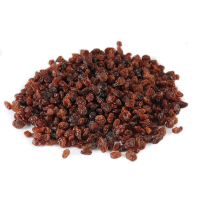
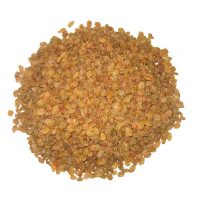
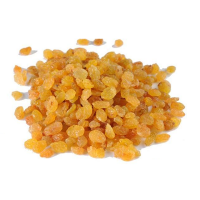
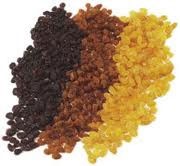 3 kind raisin