A Smart Path to the EU Market
Why Meeting EU Standards Is Essential
The European Union (EU) is a high-value market for dried fruit, but entering it requires more than great taste. Because food safety is a top priority in Europe, all dried fruit must comply with strict quality, labeling, and traceability rules. Therefore, understanding these standards is critical for exporters who want long-term success.
Moreover, meeting EU regulations boosts your brand’s credibility and minimizes customs issues. Ultimately, it positions your product for premium shelf space and stronger business partnerships.
Key Quality Requirements for Dried Fruit in the EU
1. Residue and Contaminant Limits
The EU enforces strict Maximum Residue Levels (MRLs) for pesticides in dried fruit. If these levels are exceeded, the product is refused entry. As a result, suppliers must regularly test their products in accredited laboratories.
To stay compliant, source from farms that use regulated pesticides and follow sustainable practices. In addition, implement a robust testing schedule before export.
2. Additives and Sulfur Dioxide Levels
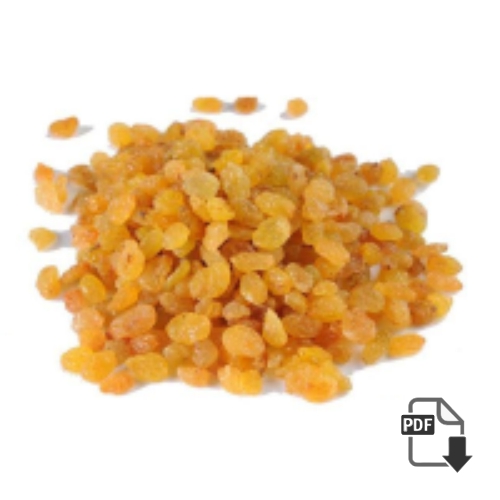
Many dried fruits—like apricots or raisins—are preserved using sulfur dioxide (SO₂). However, this additive is strictly limited:
-
Apricots: max 2,000 mg/kg
-
Raisins: max 750 mg/kg
Furthermore, if SO₂ exceeds 10 mg/kg, it must be listed on the label as an allergen. Consequently, accurate ingredient tracking and labeling are essential.
3. Moisture and Visual Quality
Moisture content directly affects product shelf life and safety. For example:
-
Raisins: no more than 18%
-
Dried apricots: no more than 25%
Additionally, dried fruit must be free from mold, infestation, and foreign objects. That’s why proper drying, sorting, and packing processes are necessary.
EU Labeling and Traceability Guidelines
What Must Appear on the Label?
Under EU Regulation No. 1169/2011, dried fruit labels must include:
-
Product name
-
Net weight
-
Country of origin
-
Best-before date
-
Allergen information
-
Nutritional facts (for flavored or sweetened products)
In particular, labeling must appear in the official language of the country of sale. As a best practice, always use durable, legible print on packaging.
Traceability and Certifications
EU law also requires full traceability. This means each product batch must be tracked from farm to shelf. To make this easier, exporters often rely on HACCP, ISO 22000, or BRCGS certification systems.
Additionally, organic dried fruits must be certified under EU Regulation 2018/848, with appropriate logos and control codes on the label.
How to Successfully Enter the EU Market
To get started, exporters should:
-
Partner with certified testing labs
-
Keep detailed records for traceability
-
Use compliant packaging and labeling
-
Work with importers who know EU food law
Furthermore, investing in certifications and consistent quality checks helps build long-term business in Europe.
Conclusion: Compliance Leads to Opportunity
Complying with EU standards for dried fruit is more than a legal step—it’s a competitive advantage. By following regulations, your brand earns consumer trust and qualifies for high-demand markets. So, if you’re ready to grow in Europe, start by meeting the standards—and exceed expectations.
https://www.irandriedfruit.com/thyme-food-recipes/
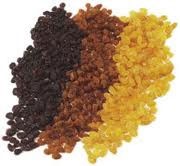 3 kind raisin