Unlock the EU Market with Confidence
Why EU Compliance Matters for Hazelnut Exporters
The European Union (EU) offers a lucrative market for hazelnut exporters. Because EU consumers demand safe and high-quality products, exporters must follow strict rules. Therefore, understanding and meeting these standards is crucial for your business growth.European Standards for Hazelnuts
Moreover, complying with these regulations helps you avoid shipment delays and builds trust with European buyers. In fact, many successful exporters credit compliance as a key factor in their growth.
Essential EU Requirements for Hazelnuts
1. Control of Aflatoxins
The EU enforces strict limits on aflatoxins, harmful toxins that form if hazelnuts aren’t stored properly:
-
Aflatoxin B1: up to 8 µg/kg
-
Total aflatoxins: up to 10 µg/kg
To ensure compliance, exporters test hazelnuts in certified labs before shipping. Additionally, they follow proper drying and storage practices to prevent contamination. Otherwise, customs authorities reject shipments.
As a result, exporters who implement rigorous quality control improve their chances of market acceptance.European Standards for Hazelnuts
2. Moisture Content and Quality Standards
Hazelnuts must have a moisture content below 6% to prevent mold and spoilage. Also, they must show minimal defects such as broken kernels, discoloration, or foreign materials.
Therefore, producers carefully sort and clean nuts to meet the EU’s quality grades. This process increases customer satisfaction and reduces product returns.
3. Pesticide Residue Limits
The EU maintains strict Maximum Residue Limits (MRLs) for pesticides on hazelnuts. If residues exceed limits, customs block shipments. Hence, growers use approved pesticides and keep spray records.
Furthermore, exporters conduct regular residue tests to guarantee compliance and reassure buyers.
Packaging, Labeling, and Traceability Rules
Labeling Must-Haves
EU law requires clear labeling, including:
-
Product name (e.g., “Raw Hazelnuts”)
-
Country of origin
-
Net weight
-
Best-before date
-
Allergen information (hazelnuts are allergens)
-
Nutritional facts (if processed or flavored)
Importantly, the label must appear in the official language of the selling country. Thus, exporters prepare multilingual labels when needed.
Traceability and Certification
The EU demands full traceability from farm to shelf. Exporters keep detailed records to prove the origin and handling of each batch.
Also, certifications like HACCP, ISO 22000, and IFS demonstrate commitment to food safety. Organic hazelnuts must comply with EU organic regulations and carry the official logo.
Tips to Enter the European Hazelnut Market
To succeed, exporters should:
-
Test all batches for aflatoxins and pesticide residues
-
Use certified processing facilities
-
Label products according to EU rules
-
Maintain full traceability documentation
-
Collaborate with experienced EU importers
Moreover, certifications help build credibility and unlock premium pricing opportunities. In addition, working closely with EU partners can simplify compliance and logistics.
Conclusion: Compliance Drives Market Access and Growth
Meeting European standards requires effort but opens doors to one of the world’s largest markets. By prioritizing quality, safety, and transparency, your hazelnut exports will attract more buyers and increase profitability.
So, start today by aligning your operations with EU regulations and watch your business grow.
https://www.irandriedfruit.com/dried-mulberries-demanded-country/
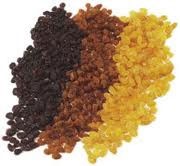 3 kind raisin