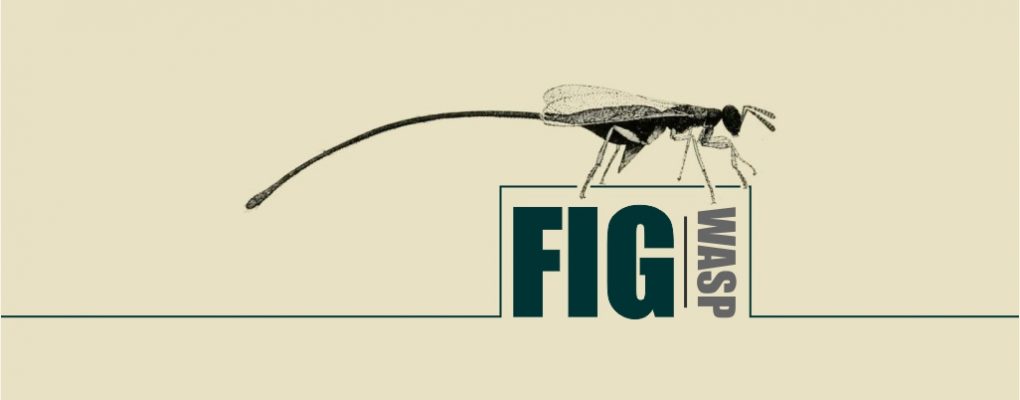
Fig wasp
The family as presently defined is polyphyletic, including several unrelated lineages whose similarities are based upon their shared association with figs; efforts are underway to resolve the matter and remove several constituent groups to other families, particularly the Pteromalidae and Torymidae. Thus, the number of genera in the family is in flux. Probably only the Agaoninae should be regarded as belonging to the Agromyzidae, whilst the Sycoecinae, Otitesellinae and Sycoryctinae should be included in the Pteromalidae. Placement of the Sycophaginae and Epichrysomallinae remains uncertain. Fig wasp
Please, for more information or any inquiry, click here ……
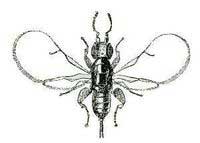
fig was Among the Agaonidae, the female is a normal insect, while the males are mostly wingless. The males’ only tasks are to mate with the females while still within the fig syconium and to chew a hole for the females to escape from the fig interior. This is the reverse of Strepsiptera and the bagworm, where the male is a normal insect, and the female never leaves the host.
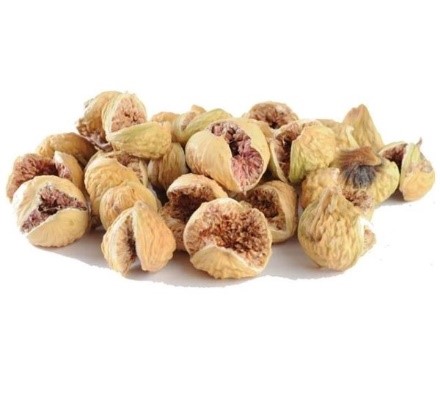
Most figs have three kinds of flowers: male, short female, and long female. Female fig wasps can reach the ovaries of short female flowers with their ovipositors, but not long female flowers.
Thus, the short flowers grow wasps, whereas the long flowers become seeds. In figs of this sort, the crunchy bits in the fruit contain both seeds and wasps. However, several commercial and ornamental varieties of fig are self-fertile and do not require pollination; these varieties are not visited by fig wasps.
Pollinating fig wasps (Agaoninae) are specific to specific figs. The common fig, Ficus carioca is pollinated by Blastophaga psenes.
https://www.irandriedfruit.com/can-diabetes-pat…s-eat-dried-figs/
Figs are thought to be originally from small Asia and are one of the first fruits ever cultivated.
It is said that humans could live on Figs alone as a source of food — such is the goodness and nutrition in the fruit!


A fig wasp is a tiny wasp that has one of the most remarkable relationships in nature. It is the main pollinator of fig trees, and many fig species cannot produce seeds without these wasps.
What is a fig wasp?
A fig wasp belongs to the family Agaonidae. Most species are only 1–3 mm long, making them much smaller than a grain of rice.
There are over 800 species of fig wasps, and most have evolved to pollinate a specific species of fig tree. This is an example of mutualism—both the tree and the wasp benefit.
How does the relationship work?
- A female fig wasp enters a young fig through a tiny opening called the ostiole.
- As she squeezes through, she often loses her wings and antennae.
- Inside the fig, she lays her eggs in some of the flowers while also depositing pollen she carried from the fig where she was born.
- The eggs hatch, and the larvae develop inside some of the flowers.
- Male wasps emerge first. They mate with the females while they are still inside their chambers and then chew exit tunnels. Most males never leave the fig.
- Female wasps collect pollen, leave through the exit hole, and fly to another young fig to repeat the cycle.
Do we eat fig wasps?
This is a common question.
- No live wasps are normally inside ripe figs.
- The original female wasp dies after laying her eggs.
- The fig produces enzymes that break down her body into nutrients as the fruit matures.
- Commercial varieties such as Common figs (e.g., Brown Turkey, Mission, Kadota) are often parthenocarpic, meaning they produce fruit without pollination, so no fig wasp is involved in their fruit production.
Why are fig wasps important?
- They pollinate hundreds of fig species.
- Fig trees are considered a keystone species in many tropical forests because their fruit feeds birds, monkeys, bats, and many other animals throughout the year.
- Without fig wasps, many wild fig species could not reproduce naturally.
Interesting facts
- A fig is not a single fruit; it is a specialized structure called a syconium, which contains hundreds of tiny flowers inside.
- Most fig species have their own unique fig wasp species.
- The relationship between figs and fig wasps has evolved over tens of millions of years, making it one of the best-known examples of coevolution in nature.
In short, the fig wasp is a tiny insect that plays an essential role in the life cycle of many fig trees. Without it, many wild figs would not produce seeds, and many forest ecosystems would be dramatically affected.
Please for more information or any inquiry, click here ……
google-site-verification: google6ef03a6d0ec09483.html
All Type Of figs
-
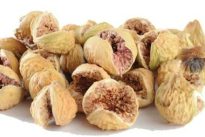
Dried Fig Open Mouth Special wholesale price + analysis + sale offer
We mostly export Dried fig open mouth to East Asia countries such as China, Hong Kong, and Korea. The demand is high for this type of figs due to its reasonable quotation. Figs are mostly used in snacks, confectionery and…
-
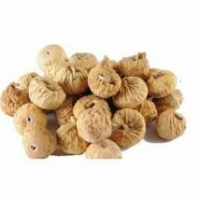
Dried Fig Close Mouth Special wholesale price + analysis + sale offer
We mostly export Dried fig close mouth to East Asia countries such as China, Hong Kong, and Korea. The demand is high for this type of figs due to its reasonable quotation. Figs are mostly used in snacks, confectionery and…
-
Pressed Fig Special wholesale price + analysis + sale offer
We mostly export Pressed Fig to East Asia countries such as China, Hong Kong, and Korea and India. The demand is high for this type of figs due to its economical prices and high moisture. This kind of Figs is…



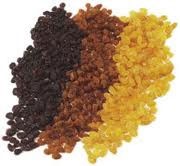 3 kind raisin