Global Market Insights
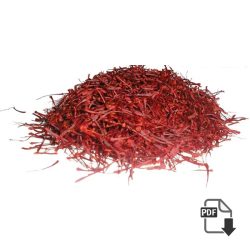
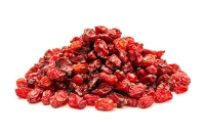
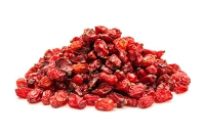
Barberries are small, tangy berries widely used in culinary, pharmaceutical, and herbal industries. Their vibrant red color, unique sour taste, and medicinal properties make them highly sought-after in both domestic and international markets. For wholesalers, importers, and food processors, knowing the barberry price per ton is crucial for securing competitive deals and planning reliable supply chains.
Why Barberries Are in High Demand
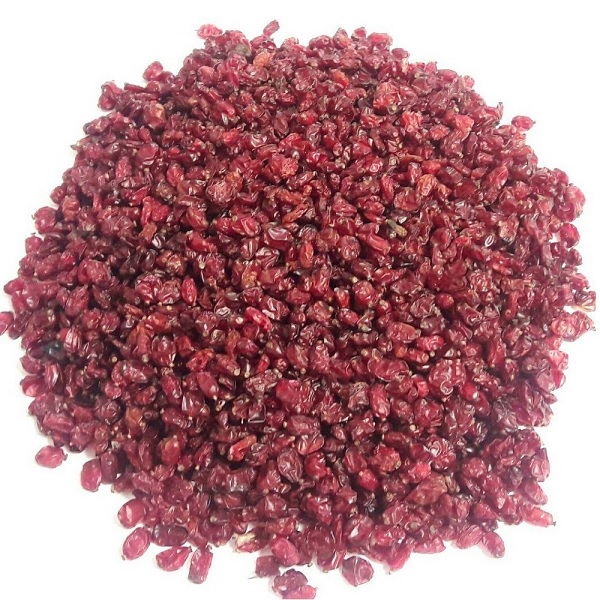
Barberries grow mainly in Iran, Afghanistan, and Turkey. They are prized for their rich content of vitamin C, antioxidants, and beneficial plant compounds. Moreover, they enhance the flavor of traditional dishes and serve as a natural ingredient in herbal remedies.
In addition, barberries offer strong commercial appeal due to several factors:
-
Versatile applications – used in culinary dishes, jams, juices, and herbal supplements.
-
Export potential – high demand in Europe, Asia, and North America.
-
Health benefits – support digestion, immunity, and overall wellness.
As a result, barberries maintain consistent demand across multiple markets, ensuring profitable opportunities for exporters and importers.
Current Barberry Price Per Ton
The barberry price per ton varies depending on origin, quality, grade, and packaging. In addition, seasonal production, logistics, and currency fluctuations influence final market prices.
1. Iran – Leading Supplier
Iran dominates global barberry production. Prices for high-quality dried barberries typically range between $2,500 and $4,000 per ton, depending on berry size, color, and moisture content. Consequently, buyers often prefer Iranian suppliers for reliable quality and consistent volumes.
2. Other Producers
Afghanistan and Turkey also export barberries, though in smaller quantities. Prices generally fall between $2,000 and $3,500 per ton, depending on grading and packaging. Therefore, importers sometimes source from multiple countries to balance cost and quality.
3. Grades and Packaging Impact
Premium-grade barberries with uniform size and vibrant color can cost up to $4,500 per ton, particularly when packaged in consumer-ready or export-friendly formats. In contrast, bulk or industrial-grade barberries may be priced around $2,000–$2,500 per ton, suitable for processing or bulk sales.
Factors Influencing Barberry Prices
Several factors affect the barberry price per ton. First, weather and harvest yields directly impact supply volumes. Second, grading and sorting based on color, size, and dryness determine market value. Third, packaging—bulk sacks versus retail packs—affects overall cost. Finally, shipping expenses, trade policies, and seasonal demand influence international prices.
Commercial Outlook for Buyers
The global market for barberries continues to expand. On one hand, growing demand for natural, healthy ingredients boosts sales. On the other hand, increased use in processed foods, juices, and herbal supplements drives bulk purchases. Therefore, buyers who establish long-term contracts with trusted suppliers gain competitive pricing, reliable supply, and consistent quality.
In conclusion, the barberry price per ton depends on origin, grade, packaging, and seasonal demand. However, businesses that monitor trends and secure direct relationships with reputable suppliers enjoy strong advantages in both cost efficiency and market competitiveness.

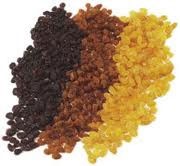 3 kind raisin