A Complete Buyer’s Guide
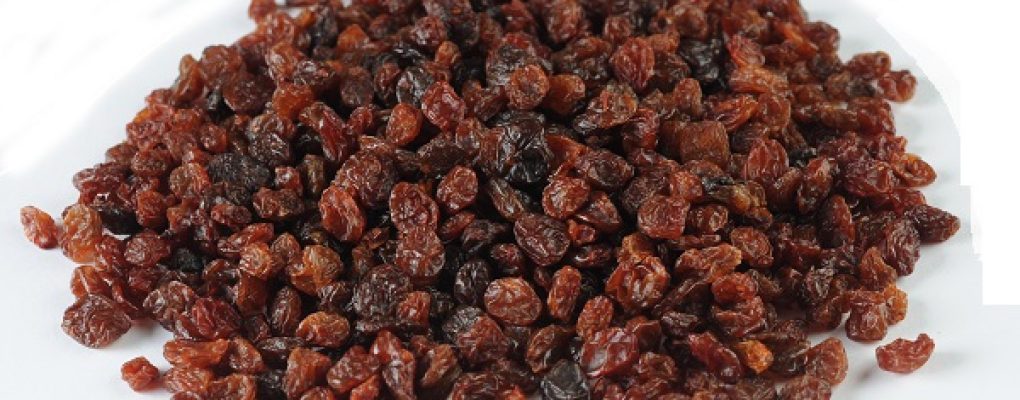
Raisins are among the most widely traded dried fruits in the world. Known for their natural sweetness, rich nutrition, and versatility, they are used in retail markets, bakeries, food processing, and confectionery industries. However, raisins are available in several grades, and each grade has a unique effect on pricing. Understanding the different grades of raisins and their price ranges helps importers, wholesalers, and food manufacturers make better purchasing decisions.Raisin Different Grades Price
Key Factors That Influence Raisin Price
Several elements play a role in determining raisin grades and prices. Buyers who evaluate these factors carefully can secure the best value for their markets.Raisin Different Grades Price
Quality and Appearance
Premium-grade raisins are uniform in size, plump, and free from impurities. In contrast, lower grades may include color variation or smaller sizes. Therefore, appearance and quality directly influence price per ton.
Processing Method
The drying process significantly impacts both quality and cost. Sun-dried raisins are usually more affordable, while mechanically dried or specially treated varieties often command higher prices. Moreover, sulfur treatment used in golden raisins adds both value and cost.
Moisture Content and Shelf Life
Higher-grade raisins maintain an ideal balance of moisture, which ensures longer shelf life. Lower-grade raisins may dry out quickly, reducing their appeal in premium markets. Consequently, exporters set different price points based on these qualities.
Different Grades of Raisins and Their Price Range
Raisins are classified into multiple commercial grades to serve diverse industries. Each grade has its own customer base and price structure.
1. Premium Grade Raisins
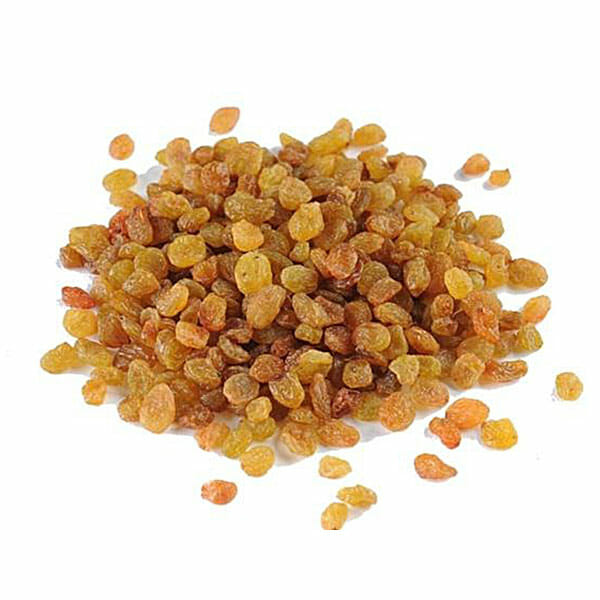
Premium raisins include golden raisins, Thompson seedless, and jumbo-sized varieties. They are bright, uniform, and often exported to Europe, North America, and luxury retail markets. Because of their superior quality, premium grades achieve the highest price per ton.
2. Standard Grade Raisins
Standard grades are popular among bakeries, confectioneries, and mid-level retail markets. These raisins maintain good quality but may include slight size or color variations. As a result, their price per ton is moderate, making them cost-effective for bulk buyers.
3. Industrial Grade Raisins
Industrial grades are widely used in food processing, beverage production, and mass-market products. Since appearance is less important, these raisins are more affordable. Consequently, their price per ton is lower, yet demand remains steady due to their functionality.
Global Trends in Raisin Pricing
The global demand for raisins has been rising due to consumer interest in healthy snacks and natural sweeteners. Moreover, seasonal supply changes, crop conditions, and export regulations strongly affect pricing. Premium grades often secure fast-moving markets, while industrial grades provide consistency in large-scale production. Therefore, businesses must balance quality requirements with budget expectations when choosing a grade.
Conclusion
The different grades of raisins give businesses flexibility in targeting both premium and mass markets. Premium grades are ideal for high-end retail, standard grades suit bakeries and wholesalers, while industrial grades meet bulk production needs. Since each grade carries a unique price structure, understanding these categories helps importers, exporters, and distributors make profitable purchasing decisions.
https://www.irandriedfruit.com/almond-milk/
All Type Of Raisin
-
Golden Long Raisin
Golden Long Raisin also is known as Golden Raisin Jumbo or Kashmari Golden Raisin. As it is clear from its name the color of this raisin is golden. Raisins, in general, are dried grapes.
-
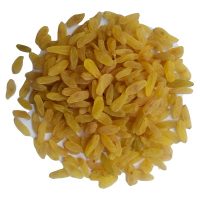
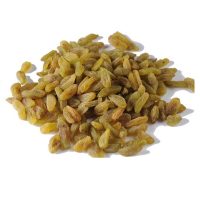
Green Raisins ( Jumbo Raisins ) wholesale price + analysis + sale offer
Green Raisins | Jumbo Raisins : Green Raisins also are known as Green Jumbo Raisin, Kashmari (Kashmiri) Green Raisins and Green Long Raisins. As it is clear from its name the color of this raisin is green. Raisins, in general,…
-
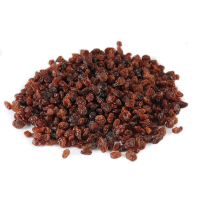
sultana raisin dark brown special wholesale price + analysis + sale offer
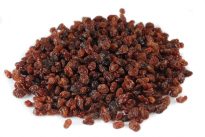
This kind is prepared by drying the fruit in full sun and results in a dark color.
-
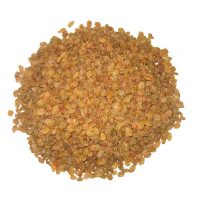
Sultana Raisin Light Brown Special wholesale price + analysis + sale offer
Sultana Raisins Light Brown are dried Seedless grapes of the Vitis vinifera species. Customers also know this raisin as Malayer Raisin or Seedless Thompson. As it is clear from its name the color of this raisin is light brown. Farmers…
-
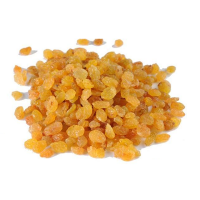
Golden Raisin Special wholesale price + analysis + sale offer
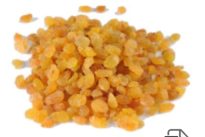
This kind is oven-dried and then sulfur is added to preserve its color.
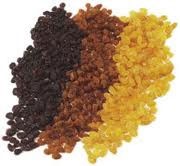 3 kind raisin