
A Strategic Commodity in Global Trade
Almonds are among the high-value agricultural products exported from Iran, playing an increasingly important role in the country’s international trade portfolio. Despite production and export challenges, Iranian almonds—especially specialized kernel grades like Mamra—continue to attract buyers across the Middle East, South Asia, and Eurasia due to their distinct quality and competitive pricing. Almond Export from Iran.
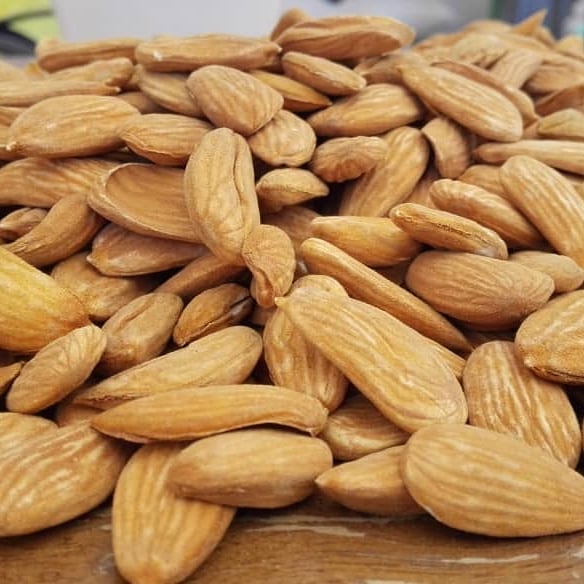
This article is a complete commercial guide for buyers, importers, and global distributors looking to understand the landscape, export dynamics, and opportunities in almond export from Iran.
The Almond Export Landscape in Iran
Iran’s almond industry faces both significant opportunities and competitive pressures. While the country is not among the top five global almond exporters, it is a notable player in regional trade and niche markets.
According to the United Nations Food and Agriculture Organization (FAO), Iran ranked 10th globally in almond exports in 2024, generating approximately $34 million in export revenue—although this figure was down from the previous year due to market shifts and competition. Tehran Times
“Iran’s almond exports reflect strong regional demand, especially for high-quality kernels, but global competition remains intense.”
— International Agribusiness Market Analyst
This ranking underscores Iran’s strategic role in the almond export market, even as larger exporters like the United States, Australia, and Spain dominate global volumes. Tehran Times
Almond Production and Export Trends
Production Background
Iran’s almond orchards are primarily located in semi-arid regions such as Chaharmahal & Bakhtiari, Fars, and Azerbaijan provinces. The country’s climatic conditions—cold winters and dry growing seasons—favor pink-fleshed almonds with firm texture and high oil content, ideal for export markets. nutexco.com
Data from agricultural sources indicate that Iran’s almond production has fluctuated over the years, influenced by weather patterns, orchard maturity, and overall agricultural investment. Annual production figures historically have reached tens of thousands of tonnes, showcasing the crop’s importance in local economies. helgilibrary.com
Export Volume and Value
Export data highlights major growth and contraction periods:
-
In 2023, Iran exported approximately 866 tonnes of almonds and almond products, a year-on-year increase indicating avenues for expansion. IndexBox
-
Historically, exports have experienced significant variations due to production cycles, market demand, and currency fluctuations. For example, in 2021, more than 3,700 tonnes of almonds and kernels worth over $32 million were exported. Commodity Board Europe GmbH
These fluctuations illustrate how market dynamics and agricultural conditions impact Iran’s export performance.
Key Export Markets
Iran’s almond exports are targeted toward regional and emerging markets, which increasingly value the quality and price competitiveness of Iranian almonds.
Top Import Destinations
According to recent shipment tracking data, the primary destinations for Iranian almonds include:
-
India – Largest importer with the majority of shipments
-
Turkey – Strong regional trade partner
-
Pakistan – Emerging market with growth potential
-
Qatar and Kyrgyzstan – Smaller but strategic buyers for niche kernel grades
Export shipment data reveals that India alone accounts for nearly 80% of Iran’s almond export shipments, reinforcing its position as a key long-term partner. Volza
Commercial Almond Export Products
Iranian almond exporters ship a variety of products, each suited to specific industry needs:
Major Export Categories
-
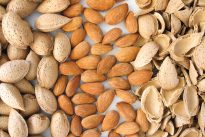
Shelled Almonds: Whole almonds with the shell removed, ideal for industrial processing.
-
Almond Kernels: Graded kernels (e.g., Mamra, Sangi) for premium food applications.
-
Bulk Almond Batches: Standardized shipments for large buyers and processors.
Understanding the product classification and grading systems is essential for buyers, as export prices and demand vary significantly based on size, grade count (kernels per ounce), and processing level.
Price Dynamics and Market Drivers
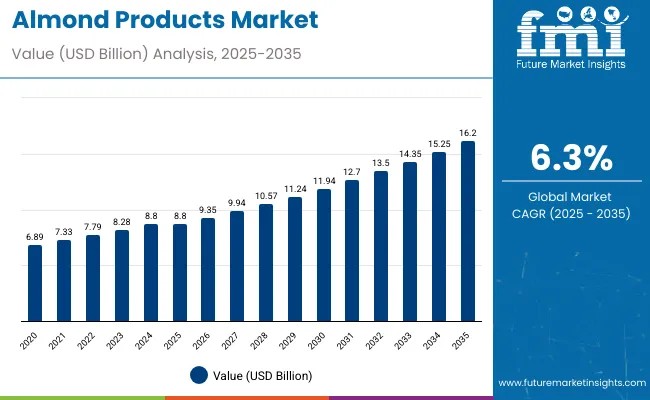
Almond price trends are influenced by global supply, exchange rates, and crop quality.
Key Pricing Insights
-
Export prices often track closely with kernels per ounce metrics, a key determinant in wholesale valuation.
-
Market intelligence reports show that almond exports from Iran have historically averaged $8–9 per kilogram for kernels, with higher ranges for premium grades. Commodity Board Europe GmbH
-
Price volatility can result from foreign exchange fluctuations, export policy changes, and variations in orchard yield.
These factors make it crucial for exporters and importers alike to use timely market data and dynamic pricing tools.
Quality Standards and Certifications
Successful exporters in the almond trade must comply with international food safety and quality standards.
Essential Certifications
-
HACCP (Hazard Analysis and Critical Control Points)
-
ISO 22000 Food Safety Management System
-
Phytosanitary Certificates for Import Compliance
-
Aflatoxin Testing per Codex Guidelines
These certifications ensure that Iranian almonds can enter sensitive markets like the European Union, GCC, and South Asia without regulatory obstacles.
Authoritative trade standards, including Codex Alimentarius, are vital references for international buyers and exporters.
🔗 https://www.fao.org/fao-who-codexalimentarius
Challenges and Opportunities in Almond Export
Challenges
Despite growth potential, the almond export industry in Iran faces noteworthy challenges:
-
Competition from larger exporters dominating global supply chains. Tehran Times
-
Export regulation complexities, including foreign exchange repatriation rules. FreshPlaza
-
Logistics and infrastructure constraints impacting delivery timelines.
Opportunities
-
Rising demand in South Asia and the Middle East for clean-label, high-protein ingredients. Volza
-
Potential for premium branding of Iranian kernel varieties like Mamra.
-
Growth of value-added almond products, such as almond flour, oil, and roasted snack lines.
A focused export strategy that combines quality differentiation with market research can significantly improve Iran’s trade share.
Why Importers Should Consider Iranian Almonds
Iranian almond exports offer several competitive advantages for global buyers:
Buyer Benefits
-
Competitive FOB pricing compared to Western suppliers
-
Diverse range of grades and kernels suitable for processing and retail
-
Direct access to growing markets in Asia and the Middle East
-
Increasing compliance with international export standards
“Iranian almonds are gaining traction in regional markets due to their quality and stable supply, making them an attractive sourcing alternative.”
— International Food Trade Consultant
Trusted Resources for Almond Export Data
For reliable market intelligence and export planning, industry professionals use:
-
UN FAO – Food & Agriculture Organization
🔗 https://www.fao.org -
International Nut & Dried Fruit Council (INC)
🔗 https://inc.nutfruit.org -
IndexBox Almond Export Market Reports
🔗 https://www.indexbox.io -
Volza Export Data Insights
🔗 https://www.volza.com
These resources provide statistics, trade forecasts, and buyer demographics essential for commercial strategy.
Conclusion: Almond Export from Iran as a Growth Sector
Almond export from Iran is a dynamic segment within the agricultural export economy—offering valuable opportunities for buyers, distributors, and food manufacturers. While challenges such as competition and export policy persist, strong demand from markets like India, Turkey, and Pakistan demonstrates the enduring appeal of Iranian almonds.
With strategic planning, investment in quality certification, and data-driven market entry strategies, Iranian almond exporters can expand their global footprint and enhance revenue potential.
If you’d like, I can also provide keyword optimization, meta tags, or a version tailored for your commercial website or export catalog. Just let me know!
All Type Of Almonds
-
Mamara Almond Grade A Special wholesale price , analysis , sale offer
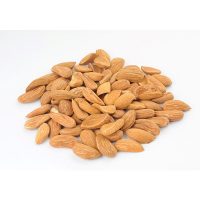
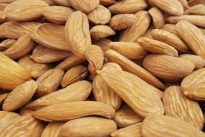
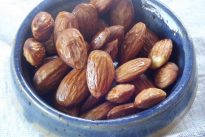
Mamara Almond : The almond is technically the seed of the fruit of the almond tree which is oval in shape, and buttery in taste. As is one of the most popular nuts, almond is not only well known in…

 3 kind raisin