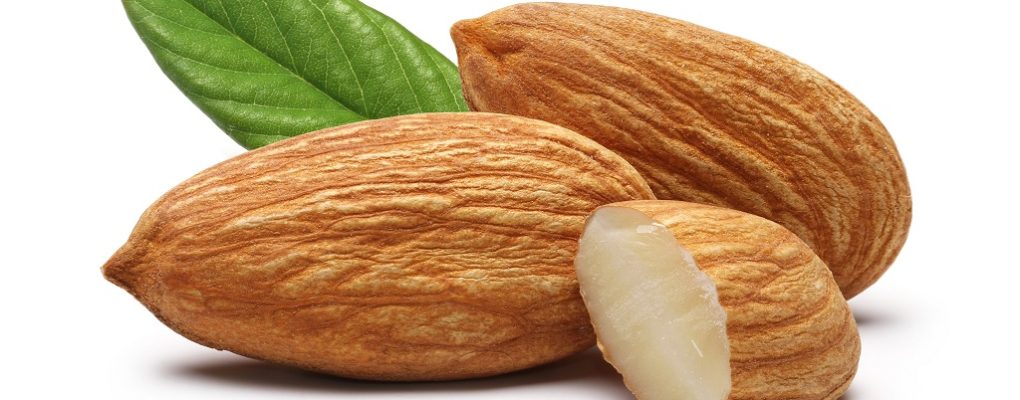
A Premium Choice for Global Markets
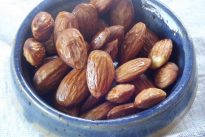
Iranian almond nuts are increasingly recognized in international trade for their distinct flavor profile, high oil yield, and competitive export pricing. As one of the world’s oldest centers of almond cultivation, Iran blends traditional horticultural expertise with evolving post-harvest technologies to supply almonds that meet modern global food safety and quality standards.
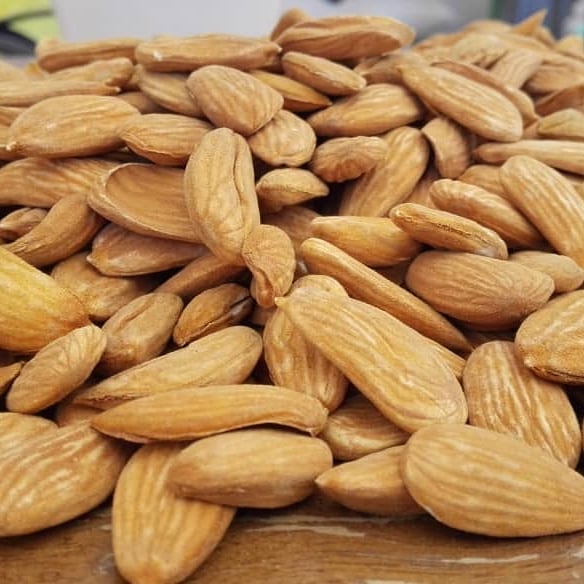
With global demand rising for plant-based nutrition, functional foods, and clean-label ingredients, Iranian almonds are emerging as a strategic sourcing alternative for importers, wholesalers, and food manufacturers worldwide.
Why Iranian Almond Nuts Stand Out in the Global Market (H2)
Iran is among the leading almond producers in West and Central Asia, benefiting from diverse microclimates that naturally enhance kernel quality.
| Iranian almond nuts are increasingly recognized in international trade for their distinct flavor profile, high oil yield, and competitive export pricing,Iran is among the leading almond producers in West and Central Asia, benefiting from diverse microclimates that naturally enhance kernel quality,Iran’s almond orchards thrive in semi-arid, mountainous regions, where cold winters ensure proper dormancy and dry summers support clean harvesting |
Competitive Advantages of Iranian Almonds (H3)
-
Indigenous cultivars with unique taste and texture
-
High kernel-to-shell ratio
-
Elevated oleic acid content
-
Naturally low moisture levels
-
Lower production and export costs compared to U.S. and EU suppliers
According to the Food and Agriculture Organization (FAO), almonds are one of the most valuable tree nuts in global agricultural trade due to their shelf stability and nutritional density.
🔗 https://www.fao.org
“Iranian almonds deliver strong sensory quality while maintaining cost efficiency, which is critical for industrial food buyers.”
— International Nut Trading Analyst
Almond Cultivation Regions in Iran (H2)
Iran’s almond orchards thrive in semi-arid, mountainous regions, where cold winters ensure proper dormancy and dry summers support clean harvesting.
Main Almond-Producing Provinces (H3)
-
Chaharmahal and Bakhtiari – High-altitude almonds with dense kernels
-
Fars Province – Large-scale orchards and export infrastructure
-
East & West Azerbaijan – Cold-resistant cultivars
-
Razavi Khorasan – Early-harvest commercial varieties
These regions experience low fungal pressure, reducing reliance on chemical treatments and improving natural shelf life.
Types of Iranian Almond Nuts (H2)
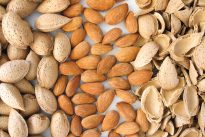
Iran produces both hard-shell and soft-shell almonds, allowing exporters to serve multiple market segments.
Major Iranian Almond Varieties (H3)
-
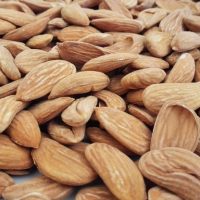
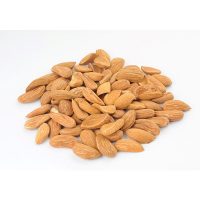
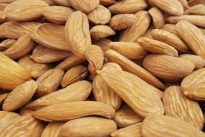
Mamra Almond – Premium elongated kernel, favored in luxury retail
-
Sangi (Stone) Almond – Very hard shell, ideal for long-distance export
-
Rabi Almond – Balanced protein and fat composition
-
Shokufe Almond – Suitable for slicing, bakery, and confectionery
The diversity of cultivars gives buyers flexibility in taste, processing behavior, and price segmentation.
Nutritional Value and Health Benefits (H2)
Iranian almonds are widely used in health-focused food products due to their dense nutrient composition.
Nutritional Profile per 100g (Approx.) (H3)
-
Protein: ~21 g
-
Total fats: ~49 g (rich in monounsaturated fatty acids)
-
Dietary fiber: ~12 g
-
Vitamin E: ~25 mg
-
Magnesium, Calcium, Phosphorus: High levels
Scientific studies cited by the National Institutes of Health (NIH) confirm that almond consumption supports cardiovascular health and glycemic control.
🔗 https://www.ncbi.nlm.nih.gov
“Almonds are among the most researched nuts for heart and metabolic health.”
— Journal of Nutrition
Industrial and Commercial Applications (H2)
Iranian almond nuts are suitable for a wide range of food, cosmetic, and pharmaceutical applications.
Key Commercial Uses (H3)
-
Roasted and flavored snack almonds
-
Almond butter and paste
-
Bakery fillings and toppings
-
Plant-based almond milk
-
Cold-pressed almond oil for cosmetics
Due to their lipid stability, Iranian almonds perform well in oil extraction and thermal processing.
Export Standards and Quality Control (H2)
Iranian exporters increasingly align with international compliance frameworks to serve global markets.
Common Export Specifications (H3)
-
Moisture content below 6%
-
Aflatoxin testing based on Codex Alimentarius limits
-
Size grading (count per ounce)
-
Vacuum-sealed or nitrogen-flushed packaging
-
Certifications such as HACCP and ISO 22000
The Codex Alimentarius Commission provides international benchmarks for nut safety and quality.
🔗 https://www.fao.org/fao-who-codexalimentarius
Market Demand and Trade Statistics (H2)
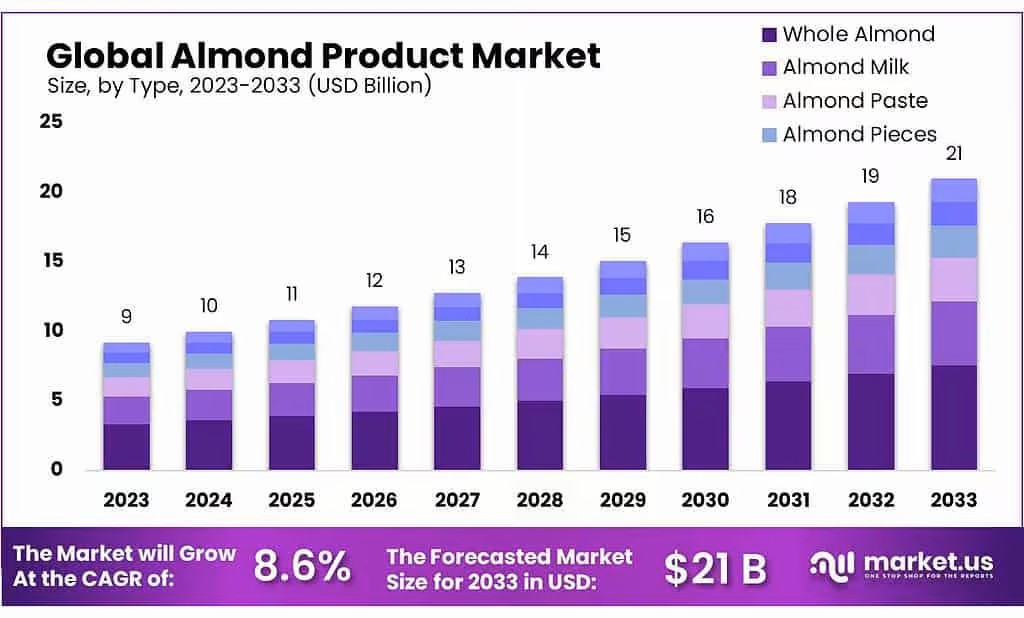
almond demand continues to grow due to plant-based diets and functional foods.
Global Market Insights (H3)
-
Global almond market value exceeds USD 10 billion annually
-
Strong demand growth in Asia and the Middle East
-
Iran exports almonds mainly to:
-
India
-
United Arab Emirates
-
Turkey
-
Russia
-
European Union
-
According to the International Nut and Dried Fruit Council (INC), almond consumption is increasing faster than most other tree nuts.
🔗 https://inc.nutfruit.org
Sustainability and Traditional Farming Practices (H2)
Many Iranian almonds are grown using rain-fed (dry-farming) systems, significantly reducing water usage.
Sustainability Benefits (H3)
-
Lower water footprint compared to irrigated orchards
-
Reduced synthetic fertilizer use
-
Long-living native almond trees
-
Preservation of genetic biodiversity
These factors align with ESG sourcing requirements and sustainable procurement policies.
Why Global Buyers Choose Iranian Almond Nuts (H2)
Buyers increasingly source from Iran to diversify supply chains and reduce dependency on single-origin markets.
Buyer Advantages (H3)
-
Competitive FOB and CIF pricing
-
Bulk, wholesale, and private-label options
-
Flexible grades and processing
-
Distinct taste profile for premium branding
“Iran is becoming a strategic alternative origin for buyers seeking quality almonds beyond traditional suppliers.”
— Global Food Import Consultant
Trusted Trade and Industry Resources (H2)
For verification and market research, buyers commonly refer to:
-
FAO – Food and Agriculture Organization
🔗 https://www.fao.org -
International Nut & Dried Fruit Council (INC)
🔗 https://inc.nutfruit.org -
Iran Trade Promotion Organization (TPO)
🔗 https://www.tpo.ir -
Codex Alimentarius
🔗 https://www.fao.org/fao-who-codexalimentarius
Conclusion: Iranian Almonds as a Smart Commercial Choice (H2)
Iranian almond nuts offer a powerful combination of quality, nutrition, sustainability, and pricing flexibility. With diverse cultivars, expanding export compliance, and strong global demand, Iran continues to position itself as a reliable and competitive almond supplier.
For importers, wholesalers, and manufacturers seeking high-quality almonds with commercial scalability, Iranian almonds represent a valuable long-term sourcing opportunity.
All Type Of Almonds
-
Mamara Almond Grade A Special wholesale price , analysis , sale offer
Mamara Almond : The almond is technically the seed of the fruit of the almond tree which is oval in shape, and buttery in taste. As is one of the most popular nuts, almond is not only well known in…

 3 kind raisin