
Harvesting fig trees
Harvesting fig trees: For top quality, allow figs to ripen fully on the tree. But they must be picked as they ripen; otherwise, spoilage from the dried fruit beetle can occur. On-the-tree spoilage or souring is caused by microorganisms in the fully ripe fruit.
These organisms are usually carried into the open eye of the fig by insects, particularly the dried fruit beetle. Daily harvests and the removal of overripe, spoiled figs can greatly reduce spoilage problems. This is particularly true of varieties that have an open eye.
Use gloves and long sleeves when harvesting figs to prevent skin irritation from the fig latex.


Harvesting Fig Trees (Ficus carica)
Fig harvesting requires careful timing because figs do not continue to ripen significantly after being picked. The correct harvest stage depends on whether the figs are intended for fresh consumption, drying, or processing.
1. When Are Figs Ready for Harvest?
A ripe fig usually shows these signs:
- Fruit becomes soft and slightly drooping
- Skin color changes according to variety (green, yellow, purple, or brown)
- Fruit neck bends downward
- A sweet aroma develops
- A small drop of nectar may appear at the bottom (called the “eye”)
Harvest time varies by climate and variety:
| Region | Typical Harvest Period |
|---|---|
| Mediterranean climates | July–October |
| Iran | June–September (depending on region and variety) |
| California | July–October |
| Turkey | August–September |
2. Harvesting Methods
Hand Harvesting
Most premium figs are harvested manually because figs bruise easily.
Steps:
- Pick only fully mature fruits.
- Hold the fig gently.
- Twist or cut the stem carefully.
- Place in shallow containers to avoid crushing.
Harvesters often wear gloves because fig tree latex can irritate skin.
3. Harvesting for Fresh Figs
Fresh-market figs should be:
- Fully colored
- Soft but not damaged
- Picked carefully
- Cooled quickly after harvest
Fresh figs have a short shelf life and are usually consumed or transported within a few days.
4. Harvesting for Dried Figs
For dried figs, growers usually allow fruits to:
- Fully ripen on the tree
- Become partially dehydrated naturally
- Drop or hang in a soft, wrinkled condition
Process:
- Collect ripe figs from the ground or tree.
- Select clean, undamaged fruits.
- Dry naturally under sunlight or controlled dryers.
- Sort by size and quality.
- Store in dry conditions.
Countries such as Türkiye and Iran are well known for dried fig production.
5. Number of Harvests
Some fig varieties produce:
- Breba crop: early figs from previous season’s growth (spring/early summer)
- Main crop: larger autumn harvest from current season growth
Commercial growers often focus on the main crop because of higher yield.
6. Post-Harvest Handling
Good practices:
- Avoid mechanical damage.
- Remove damaged or fermented fruit.
- Keep harvested figs clean.
- Dry to safe moisture levels for storage.
- Store away from humidity and insects.
7. Average Yield
Yield depends on variety, climate, irrigation, and orchard management.
Approximate mature orchard yields:
| Production Type | Yield |
|---|---|
| Fresh figs | 10–30 tons/ha |
| Dried figs | 2–6 tons/ha |
8. Major Fig-Producing Countries
Leading producers include:
- Türkiye – especially famous for dried figs
- Egypt
- Iran
- Algeria
- Morocco
- United States (California)
Tips for High-Quality Dried Figs
- Harvest only fully ripe fruits.
- Use clean drying surfaces.
- Protect from rain and humidity.
- Grade by size and color.
- Store in cool, dry warehouses.
High-quality dried figs are valued in export markets for their natural sweetness, soft texture, large size, and low moisture content.
All Type Of figs
-
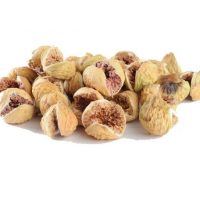
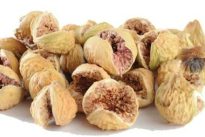
Dried Fig Open Mouth Special wholesale price + analysis + sale offer
We mostly export Dried fig open mouth to East Asia countries such as China, Hong Kong, and Korea. The demand is high for this type of figs due to its reasonable quotation. Figs are mostly used in snacks, confectionery and…
-
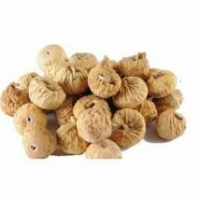
Dried Fig Close Mouth Special wholesale price + analysis + sale offer
We mostly export Dried fig close mouth to East Asia countries such as China, Hong Kong, and Korea. The demand is high for this type of figs due to its reasonable quotation. Figs are mostly used in snacks, confectionery and…
-
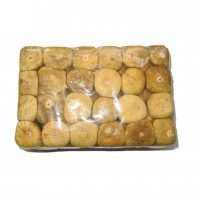
Pressed Fig Special wholesale price + analysis + sale offer
We mostly export Pressed Fig to East Asia countries such as China, Hong Kong, and Korea and India. The demand is high for this type of figs due to its economical prices and high moisture. This kind of Figs is…



 3 kind raisin