Major Raisin producers in the world : 1. United States (428,650 tons) 2. Turkey (350,100 tons) 3. Iran (155,000 tons) 4. South Africa (33,500 tons) 5. Greece (31,000 tons) 6. Australia (16,800 tons) 7. Mexico (15,550 tons) Major Raisin producers in the world Apricot varieties Global trade in raisins The statistics of Iranian raisin exports, according to the Customs Organization of Iran, are shown below (values are in millions of...
22
Aug

20
Aug
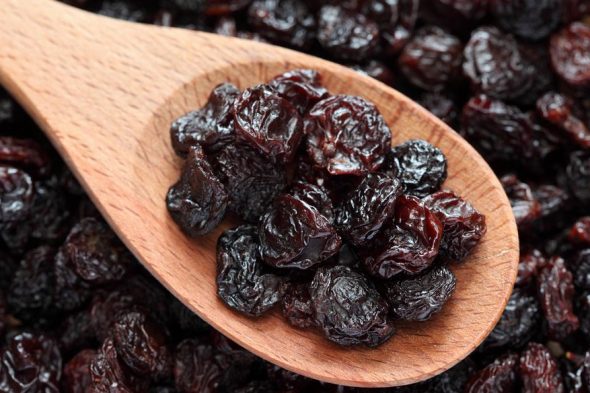
Raisin to your good health Raisins are nature's original candy - and one of the world's most nutritious dried fruits. raisin for good health Iranian Raisin Sweet, tasty raisins are cholesterol-free, low in sodium, and virtually fat-free. They provide many necessary vitamins and minerals to your diet, including iron and potassium. Maybe best of all, they're 70 percent pure fructose, a natural form of sugar that's easily digested for quick...
17
Aug
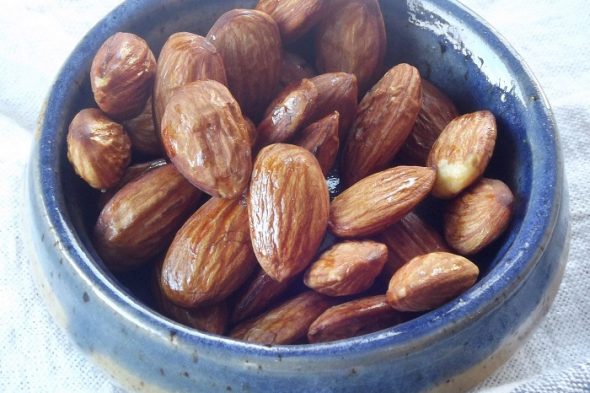
Smoky Almonds Recipe Smoky Almonds Recipe: 2 1/2 Cups raw almonds 1/2 tsp. hickory smoked salt 2 Tbsp. tamari or soy sauce 1/2 tsp. brown sugar or honey Preheat oven to 300 degrees F. Toast almonds on a large baking sheet for about 25 minutes. Stir salt and sweetener into liquid (either tamari...
15
Aug
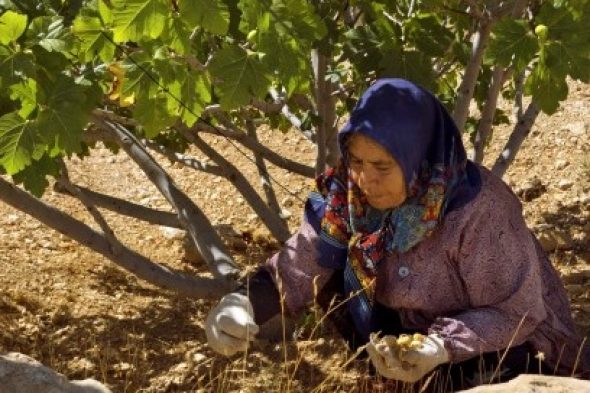
Harvesting fig trees Harvesting fig trees: For top quality, allow figs to ripen fully on the tree. But they must be picked as they ripen; otherwise, spoilage from the dried fruit beetle can occur. On-the-tree spoilage or souring is caused by microorganisms in the fully ripe fruit. These organisms are usually carried into the open eye of the fig by insects, particularly the dried fruit beetle. Daily harvests and the...
12
Aug
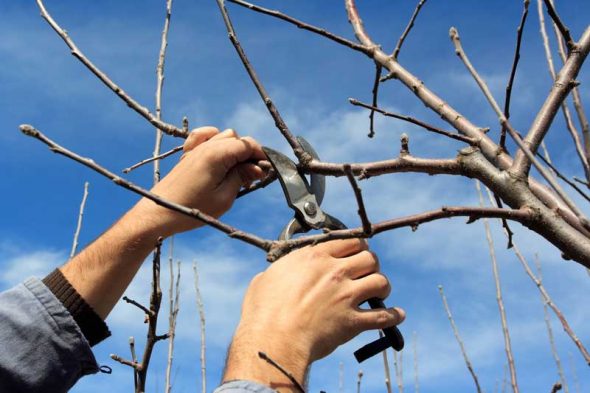
Walnut pruning practices Walnut pruning practice: How intensively you manage the black walnut plantation depends on your objectives, time available, resources, and plantation size. Unlike site selection, management of black walnut is flexible, and many methods are available for managing the stand. Only basic methods are covered here. Thinning, pruning, and other cultural practices are affected by your choice of initial spacing. With wide spacing, thinning is not needed. On...
11
Aug
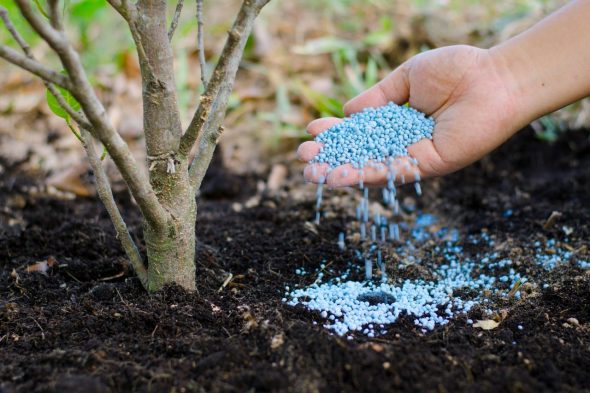
Walnut Thinning, Pest Control, and Fertilization Walnut Thinning: Thinning reduces the stand so that growth is distributed to those trees you wish to keep for future products. Thinning should leave 25 to 30 trees per acre for nut production, and 75 to 100 trees per acre for lumber production. A thinning may be required two or more times during the life of the stand. (Walnut Thinning Pest Control and Fertilization)Avoid...
10
Aug
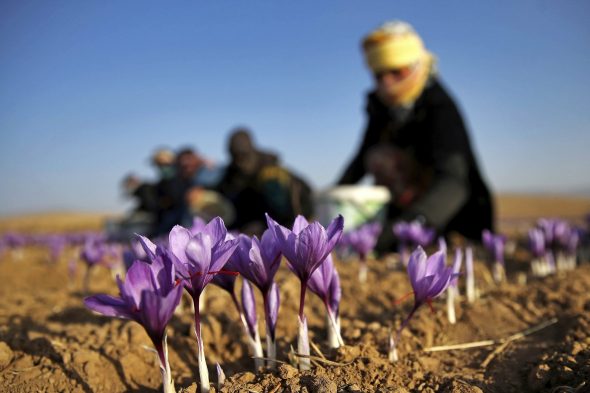
How to plant saffron corms How to plant saffron corms: In areas where Saffron Crocus is reliably hardy—USDA Zone 6 through 8 in the South, 6 through 9 in the West—you should plant the corms as soon as you receive them. [caption id="attachment_16394" align="aligncenter" width="663"] How to plant saffron corms[/caption] Saffron Crocus does best in full sun and well-drained soil that is moderately rich in organic matter. Ideally, the site...
09
Aug
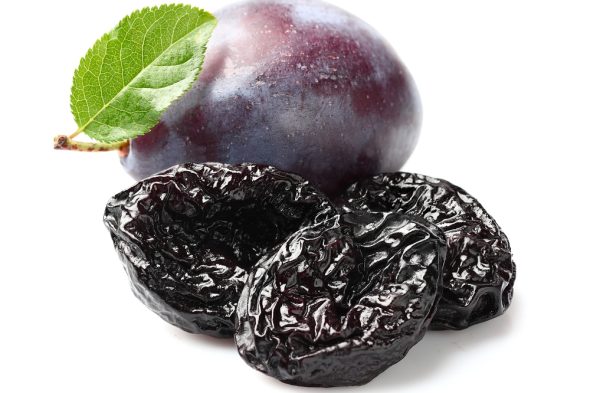
Your Essential Guide Do Dried Prunes Go Bad? Understanding Shelf Life and Storage Dried prunes, also known as dried plums, are a popular snack known for their rich flavor and numerous health benefits, including digestive support and antioxidant properties. Thanks to their low moisture content, dried prunes have a long shelf life compared to fresh fruits. However, just like any food item, they can spoil under certain conditions. In this...
07
Aug
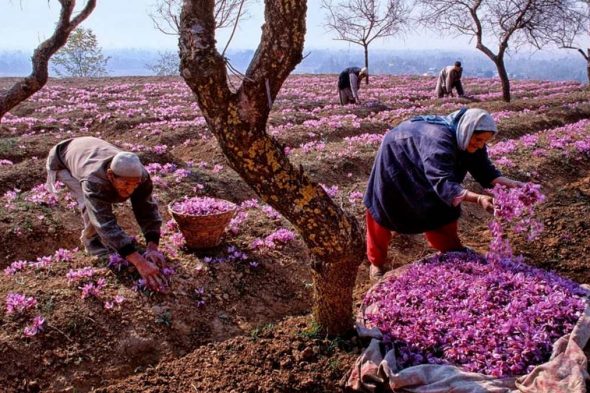
Kashmiri and Iranian saffron comparison Kashmiri and Iranian saffron comparison: The main difference between Kashmiri and Iranian Saffron is the yield of stigmas, which is about 75%.The excess yield is because the stigmas of saffron cultivated in Kashmir are extremely long and have a thick head. They are also of a deep red color. The size of the stigmas indicates the inherent suitability of the soil and climate for this...
06
Aug
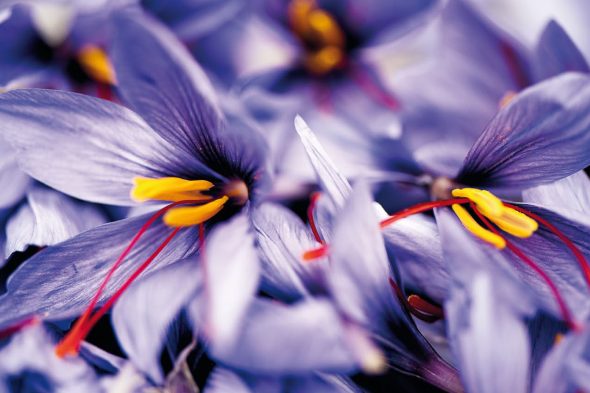
Growing and Harvesting Saffron Crocus Sativus Growing and Harvesting Saffron Crocus Sativus : Saffron is a delicious and colorful seasoning that is used in breads, desserts, and main dishes in many parts of the world, especially in Iran. Without it, an Indian curry or Spanish paella just wouldn't be the same. The bright red-orange threads you get when you buy saffron are actually the stigmas, or female portion, of the...
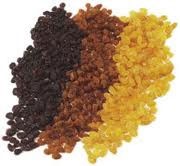 3 kind raisin