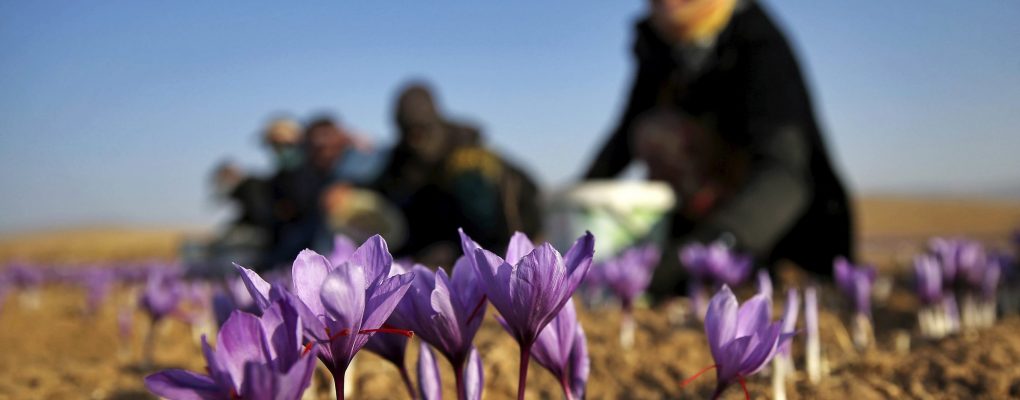
How to plant saffron corms
How to plant saffron corms: In areas where Saffron Crocus is reliably hardy—USDA Zone 6 through 8 in the South, 6 through 9 in the West—you should plant the corms as soon as you receive them.
Saffron Crocus does best in full sun and well-drained soil that is moderately rich in organic matter. Ideally, the site should be relatively dry in summer, when the corms are dormant.
Plant the corms 4 in. deep and 4 in. apart. If gophers, mice, or voles are a problem in your garden, plant the corms in containers or line the bed with hardware cloth or a similar wire mesh. Flowers will appear the first fall after planting and last for about 3 weeks.
https://www.irandriedfruit.com/growing-and-harv…n-crocus-sativus/
The grass-like leaves may emerge soon after the flowers or wait until the following spring. In either case, the leaves persist for 8-12 weeks, then wither and vanish, leaving no trace of the corms below until the flowers appear again in fall. It’s not a bad idea to mark the area where you’ve planted your corms, so you don’t inadvertently dig them up while planting something else.


How to Plant Saffron Corms (Crocus sativus)
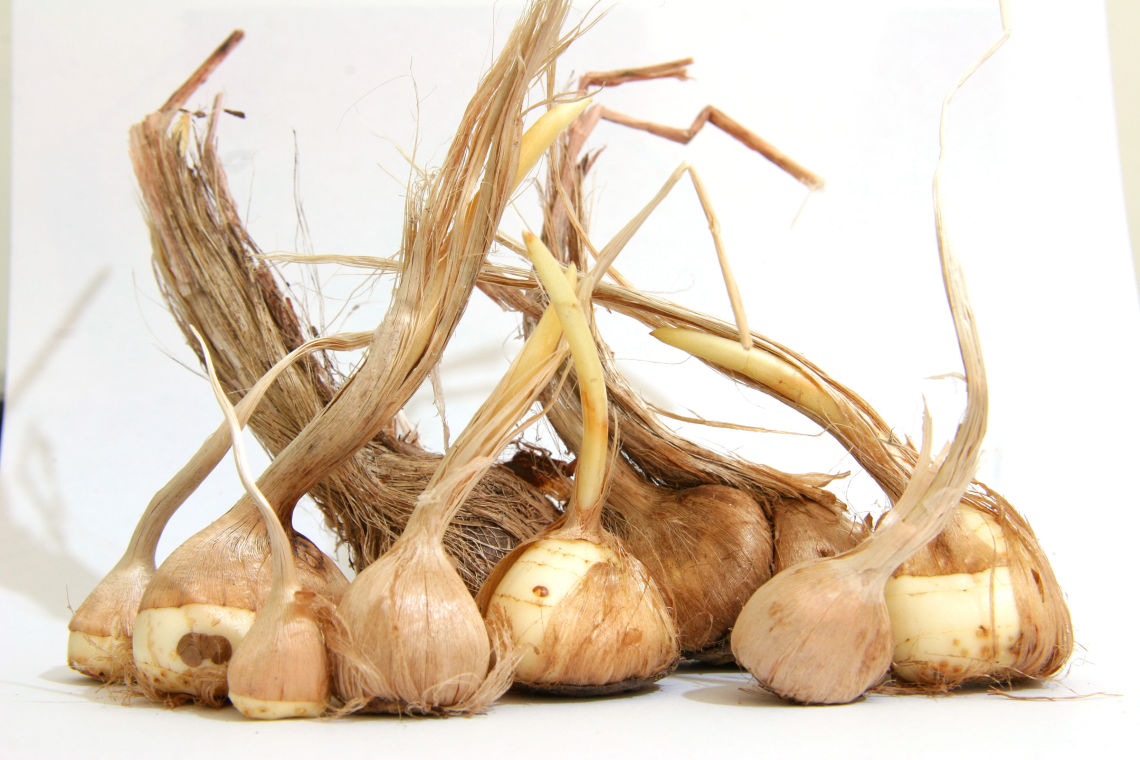
Saffron is grown from corms (underground storage organs), not from seeds. Proper corm selection, planting depth, soil preparation, and irrigation management are essential for high-quality saffron production.
1. Select High-Quality Saffron Corms
Choose corms that are:
- Healthy and disease-free
- Firm, not soft or rotten
- Large size (preferably 3–5 cm diameter)
- Weight: ideally 8–15 grams or more per corm
- Free from mold, cuts, and insect damage
Large corms usually produce more flowers in the first growing season.
2. Choose the Right Location
Climate Requirements
Saffron prefers:
- Hot, dry summers
- Cold winters
- Full sunlight
- Low humidity during dormancy
Soil Requirements
Best soil:
- Sandy loam or light loam
- Good drainage
- Rich in organic matter
Ideal soil characteristics:
| Parameter | Recommended |
|---|---|
| Soil pH | 6–8 |
| Drainage | Excellent |
| Organic matter | High |
| Waterlogging | Avoid |
Heavy clay soils should be improved with compost and sand because excess moisture can rot corms.
3. Prepare the Soil
Before planting:
- Plow the soil to a depth of 25–30 cm.
- Remove weeds and stones.
- Add well-rotted organic manure or compost.
- Make raised beds if drainage is poor.
4. Planting Time
The best planting period is:
- June to September in the Northern Hemisphere
For Iran and similar climates:
- July–August is commonly preferred.
Corms should be planted during dormancy before autumn flowering begins.
5. Planting Method
Planting Depth
- 10–15 cm deep
Deeper planting may protect corms from temperature extremes, while shallow planting may increase stress.
Spacing
| Method | Distance |
|---|---|
| Between corms | 10–15 cm |
| Between rows | 20–30 cm |
Direction
Place the corm:
- Pointed side upward
- Flat/root side downward
Cover gently with soil without compacting heavily.
6. Irrigation After Planting
- Give a light irrigation after planting if soil is dry.
- Avoid excessive watering.
- The most important irrigation periods are:
- After planting
- Before flowering (if soil is dry)
- After flowering for leaf growth and corm development
Avoid irrigation during summer dormancy when possible.
7. Fertilization
Before planting:
- Well-rotted manure or compost: commonly applied.
During growth:
- Balanced fertilizers may be applied according to soil analysis.
- Avoid excessive nitrogen because it can increase leaves but reduce flower quality.
8. First-Year Expectations
- Flowers usually appear 2–4 months after planting.
- Large corms can produce flowers in the first year.
- Flower production increases in years 2–4 as daughter corms develop.
9. Saffron Field Life
A well-managed saffron field can remain productive:
- About 4–7 years in many commercial systems
- Sometimes longer with good soil management
After several years, corms are usually lifted, divided, and replanted.
10. Common Mistakes to Avoid
❌ Planting small or damaged corms
❌ Poor drainage
❌ Overwatering
❌ Heavy nitrogen fertilization
❌ Planting in shaded areas
❌ Delayed weed control
Approximate Planting Density
Commercial fields often use:
- 500,000–1,000,000 corms per hectare depending on planting system and desired yield.
A higher density with large corms can increase early production but requires better soil fertility and management.
Summary of Best Practice
| Step | Recommendation |
|---|---|
| Corm size | Large, healthy (3–5 cm+) |
| Planting season | June–September |
| Depth | 10–15 cm |
| Spacing | 10–15 cm apart |
| Soil | Well-drained sandy loam |
| Sunlight | Full sun |
| First harvest | Usually autumn after planting |
| Main flowering | October–November |
For Iranian saffron production (especially Khorasan regions), the traditional method is planting large corms in July–August in dry, sunny fields with careful water management to maximize Negin and Sargol saffron quality.
All Type Of Saffron
-
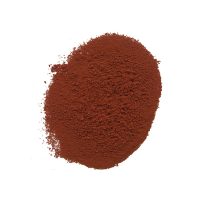
Saffron Powder Special price + analysis + sale offer
Saffron Powder is not a kind of saffron such as Negin or Pushal. It is a form of saffron, which producers make from grinding the saffron threads in the industrial scope. The final product color is slightly lighter than the…
-
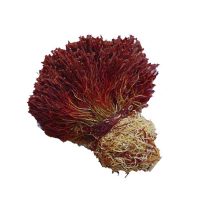
bunch saffron Special wholesale price + analysis + sale offer
Bunch Saffron has different names, such as Dasteh Saffron or Dokhtar Pich Saffron (Dochtar Pitsch Saffron, or Dokhtar Saffron). Dasteh Saffron is the complete stigma (filament) of saffron in bundles. In other words, it contains the stigma with the whole…
-
mancha saffron ( Pushal ) Special wholesale price + analysis + sale offer
Mancha Saffron is the stigma part. Since in Pushal is not cut like Allred during production so the complete red-colored parts are maintained along with a little bit of the orange-colored threads. All the three stigma threads are attached like…
-
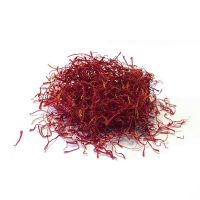
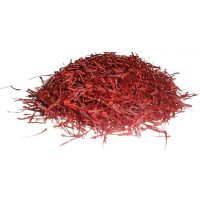
Sargol Saffron | most economical saffron for import
Sargol Saffron | most economical saffron for import : sargol saffron consists only of Dark Red Stigma (thread) Tips. So. in other words all the white and orange parts are removed. This saffron is the second most expensive type of…
-
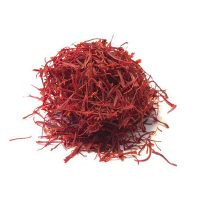
all red saffron | super negin saffron Special price + analysis + sale offer
All Red Saffron | Super Negin Saffron | Best Iranian Saffron : Negin Saffron is the most expensive type of Saffron because it has the highest quality compared to other types. When three stigma threads are attached together we call…


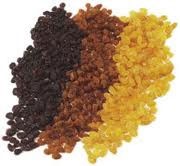 3 kind raisin