Growing and Harvesting Saffron Crocus Sativus

Growing and Harvesting Saffron Crocus Sativus

Growing and Harvesting Saffron Crocus Sativus : Saffron is a delicious and colorful seasoning that is used in breads, desserts, and main dishes in many parts of the world, especially in Iran. Without it, an Indian curry or Spanish paella just wouldn’t be the same.
"<yoastmark

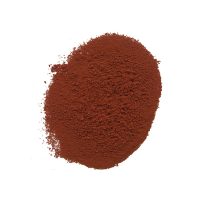
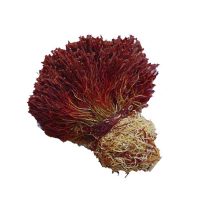
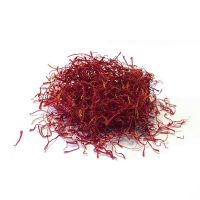
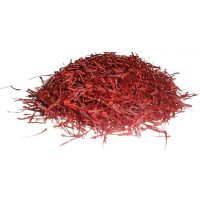
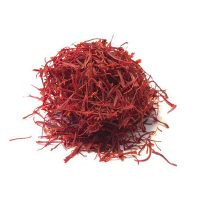
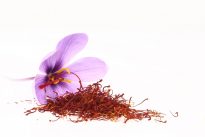
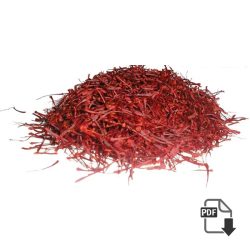
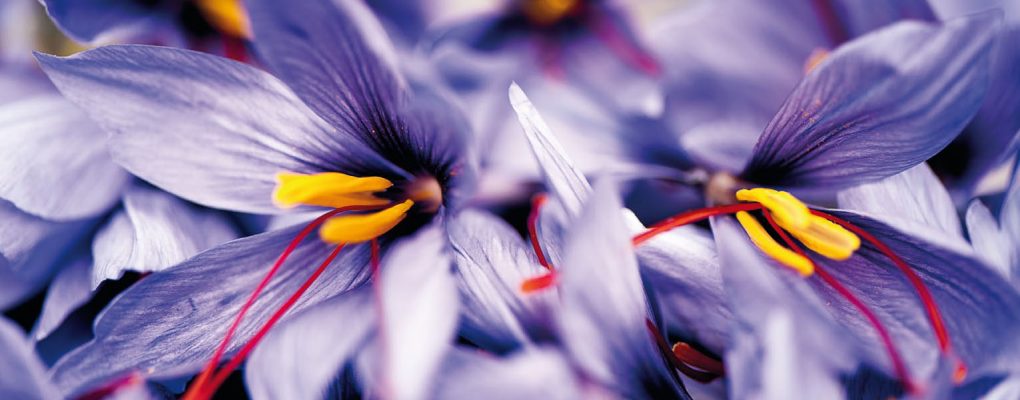
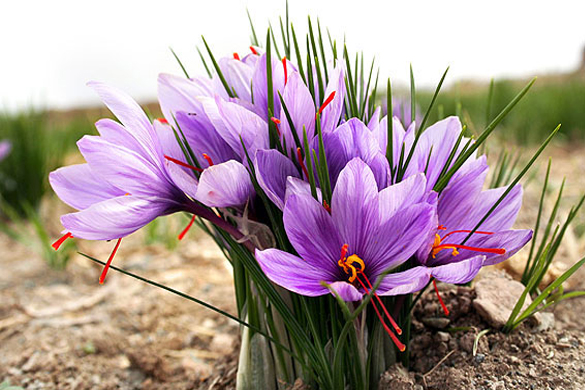
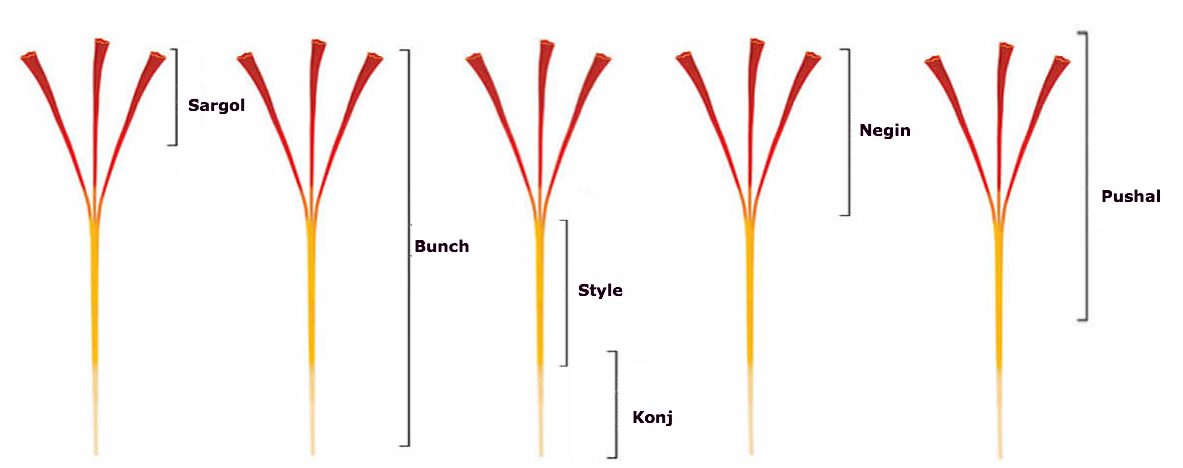
The bright red-orange threads you get when you buy saffron are actually the stigmas, or female portion, of the Saffron Crocus flowers. It takes hundreds of flowers to produce a commercially useful amount, which explains why saffron is so expensive.
"<yoastmark

For the home gardener, however, two dozen Saffron Crocus will supply enough of the precious spice in the first year for a few memorable dishes. Then, with each successive year, the corms will multiply, the size of the planting will increase, and you’ll be able to harvest more of the spicy stigmas.

Growing and Harvesting Crocus sativus (Saffron)

Saffron (Crocus sativus L.) is a perennial flowering plant cultivated for its crimson stigmas, which are dried to produce saffron—the world’s most valuable spice by weight. It thrives in regions with hot, dry summers and cool winters, making countries such as Iran, Spain, India, Greece, and Morocco ideal for cultivation.

Ideal Growing Conditions

Climate

  • Hot, dry summers
  • Cool to cold winters
  • Annual rainfall: 300–500 mm
  • Full sunlight (6–8 hours daily)
  • Well-ventilated fields

Soil

  • Well-drained sandy loam or loamy soil
  • Soil pH: 6.0–8.0
  • Rich in organic matter
  • Avoid waterlogged or heavy clay soils

Planting Saffron Corms

Planting Time

  • Northern Hemisphere: June to September
  • Best results are usually achieved when corms are planted in late summer.

Corm Selection

  • Healthy, disease-free corms
  • Diameter: 3–5 cm or larger
  • Free from mold, rot, and mechanical damage

Planting Depth and Spacing

Parameter Recommendation
Planting depth 10–15 cm
Distance between corms 10–15 cm
Row spacing 20–30 cm

Crop Management

Irrigation

  • Irrigate immediately after planting if the soil is dry.
  • Water sparingly during the growing season.
  • Avoid excessive moisture, which increases the risk of corm rot.

Fertilization

  • Apply well-rotted compost before planting.
  • Balanced NPK fertilizers may be used based on soil test recommendations.
  • Organic production systems often rely on compost and manure.

Weed Control

  • Remove weeds regularly.
  • Mulching can help suppress weeds and conserve soil moisture.

Flowering Stage

  • Flowering generally occurs in October to November in the Northern Hemisphere.
  • Each flower produces:
    • Three crimson stigmas (the saffron spice)
    • Three yellow stamens
    • Six purple petals

Harvesting Saffron

Harvest Time

  • Flowers are picked early in the morning before they fully open.
  • Harvesting usually lasts 2–3 weeks.

Harvesting Method

  1. Pick flowers by hand.
  2. Collect them carefully in shallow baskets.
  3. Transport immediately for processing.

Hand harvesting helps preserve flower quality and minimize damage.

Separating the Stigmas

After harvesting:

  1. Open each flower carefully.
  2. Remove the three red stigmas by hand.
  3. Keep the red stigmas as intact as possible.
  4. Discard or separately process the remaining floral parts.

Drying Process

Proper drying is essential for preserving color, aroma, and flavor.

Common drying methods include:

  • Electric dehydrators
  • Controlled hot-air dryers (typically around 45–60°C)
  • Traditional low-heat drying methods

Well-dried saffron should retain:

  • Deep red color
  • Strong characteristic aroma
  • Low moisture content
  • Flexible but not brittle texture

Yield

Approximate production figures:

Item Approximate Value
Flowers required for 1 kg dried saffron 150,000–200,000
Flowers per hectare 1–2 million (varies greatly)
Typical dried saffron yield 3–8 kg/ha (can be higher under excellent management)

Storage

To maintain quality:

  • Store in airtight containers.
  • Keep away from light, heat, and moisture.
  • Store in a cool, dry place.
  • Avoid exposure to strong odors.

Properly stored saffron can maintain much of its quality for up to two years.

Major Saffron-Producing Countries

  1. Iran
  2. India (Kashmir)
  3. Spain
  4. Afghanistan
  5. Greece
  6. Morocco
  7. Italy

Best Practices for High-Quality Saffron

  • Use large, healthy corms.
  • Plant in well-drained soil.
  • Harvest flowers early each morning.
  • Separate stigmas promptly after picking.
  • Dry under controlled conditions.
  • Store in airtight, light-resistant containers.
  • Rotate fields to help reduce disease pressure and maintain soil health.

Conclusion

Growing Crocus sativus requires careful management from corm selection through harvesting and drying. Because each flower produces only three stigmas, saffron production remains highly labor-intensive. With suitable climate, well-drained soil, and careful post-harvest handling, growers can produce premium-quality saffron valued in culinary, pharmaceutical, and cosmetic markets.

After 4 to 6 years, you should divide and replant the corms. Division prevents overcrowding, which can lead to a decrease in flowering.

Iran Dried Fruit Company 

All Type Of Saffron

Related News