Market Insights for Buyers
Barberry is one of the most valuable dried fruits in the global market, prized for its vibrant red color, tangy taste, and health benefits. However, not all barberries are the same. They come in different grades, and each grade has a unique impact on pricing, quality, and usage. Understanding the different grades of barberry and their prices helps importers, wholesalers, and retailers make informed decisions.Barberry Different Grades Price
Factors That Influence Barberry Grades and Prices
Barberry grading depends on several key factors. These factors determine whether the product is sold at premium prices or offered at more affordable rates.
Quality and Appearance
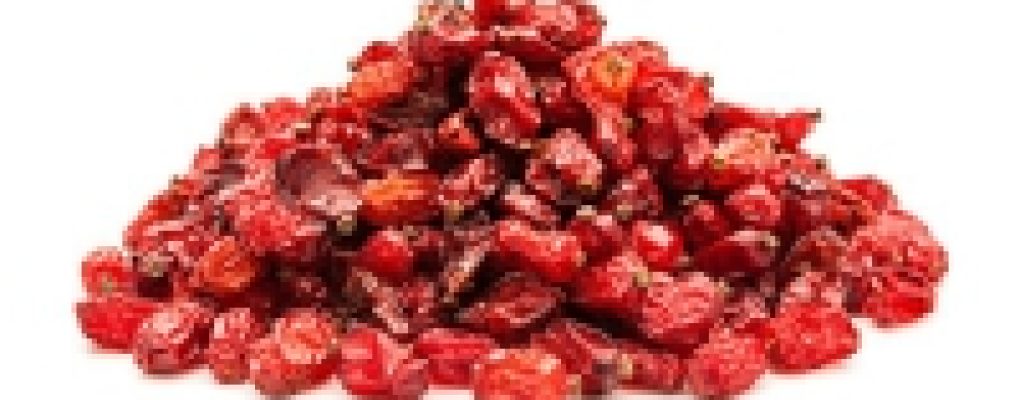
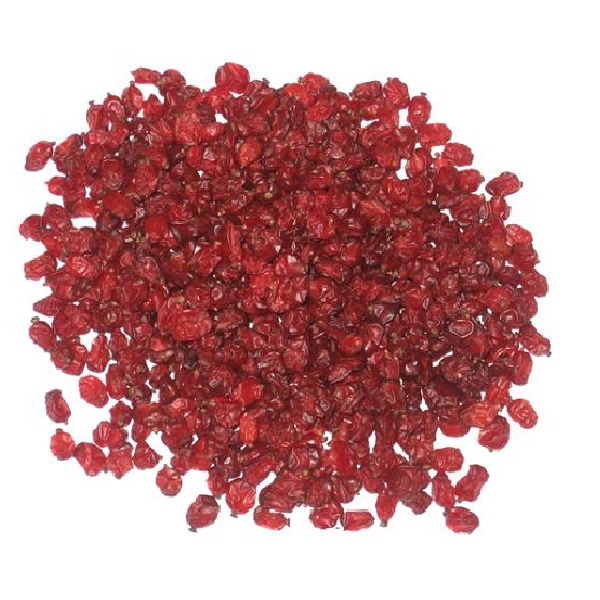
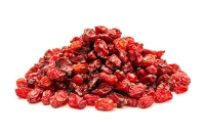
High-grade barberries are bright red, uniform in size, and free from foreign matter. Lower grades may have a darker color, uneven size, or small impurities. Therefore, appearance plays a major role in setting the final price.
Processing Method
Naturally dried barberries often cost more than sun-dried or machine-dried varieties. The careful drying process preserves the flavor and quality, which in turn justifies higher market prices.
Moisture Content and Shelf Life
Premium barberries usually have an ideal moisture balance, allowing longer shelf life and better preservation during transport. In contrast, lower grades may lose quality faster, which reduces their commercial value.
Different Grades of Barberry and Price Range
Barberries are classified into several commercial grades. Each grade serves different market needs, from retail to bulk food processing.
1. Premium Grade Barberry
Premium or top-grade barberries are fresh, glossy, and visually appealing. They are mainly exported to markets in Europe, North America, and the Gulf region. Because of their superior quality, premium grades command the highest price per ton.
2. Standard Grade Barberry
This grade has good quality but may include slight variations in color or size. Standard grades are popular among wholesalers and retailers who balance cost and quality. As a result, their price per ton is lower than premium but still competitive.
3. Industrial Grade Barberry
Industrial grades are used in food processing industries, including juices, sauces, and confectionery. Since appearance is less important, these barberries are more affordable. Consequently, their price per ton is significantly lower than premium and standard grades.
Global Market Trends for Barberry Prices
The global demand for barberries has been increasing due to health trends and the popularity of Persian cuisine. Moreover, fluctuations in supply, seasonal harvesting, and export conditions influence pricing. Premium grades often sell quickly in high-end markets, while industrial grades maintain steady demand in bulk food industries. Therefore, buyers must evaluate their market segment before choosing the right grade.
Conclusion
The different grades of barberry provide flexibility for buyers across various industries. Premium grades appeal to luxury markets, standard grades target everyday retail, and industrial grades serve bulk production needs. Since each grade carries a unique price point, businesses that understand these differences can maximize profits and satisfy their customers effectively.


 3 kind raisin