
Market Trends and Opportunities
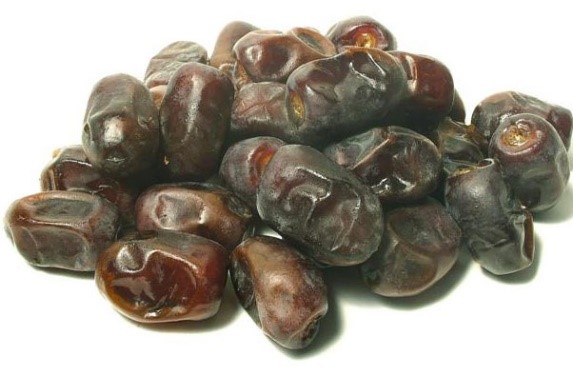
Kabkab dates are among the most popular varieties of Iranian dates, widely recognized for their soft texture, sweet flavor, and affordability. As international demand for healthy and natural sweeteners rises, Kabkab dates gain significant attention from food manufacturers, wholesalers, and retailers worldwide. Understanding the global demand for Kabkab dates helps buyers and suppliers identify opportunities in a rapidly expanding market.
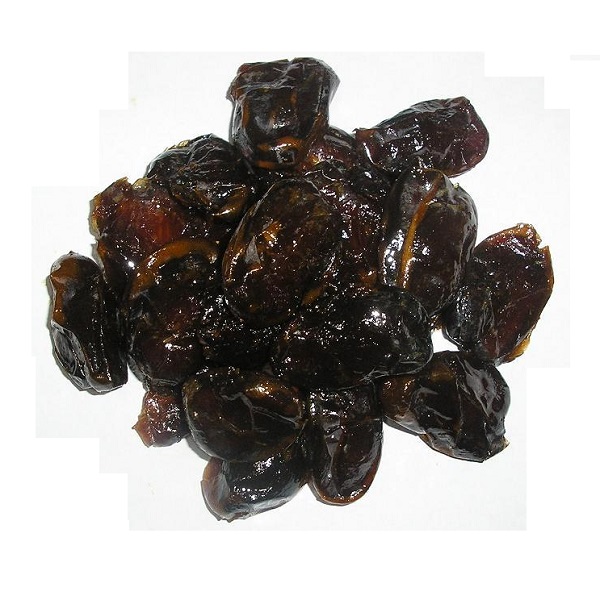
Why Kabkab Dates Are in Growing Demand
Kabkab dates stand out because of their versatility. Consumers enjoy them fresh, use them in confectionery, and process them into syrups or pastes. Moreover, they provide natural sugars, fiber, and essential minerals, which makes them an ideal alternative to artificial sweeteners.
In addition, the following factors drive their popularity:
-
Affordability – Kabkab dates cost less than premium varieties like Medjool.
-
Nutritional value – rich in vitamins and minerals that appeal to health-conscious buyers.
-
Wide applications – suitable for bakeries, packaged snacks, and health foods.
Therefore, Kabkab dates continue to attract both traditional markets and modern health-driven consumers.
Global Markets for Kabkab Dates
The global demand for Kabkab dates grows steadily across multiple regions, each shaped by unique consumption trends.
1. Middle East and North Africa (MENA)
The MENA region represents the largest market for Kabkab dates. Families consume them heavily during Ramadan and cultural festivals. Consequently, demand rises sharply in festive seasons, and importers stock large volumes to meet consumer needs.
2. Europe – Expanding Health Food Market
Europe shows strong interest in Kabkab dates thanks to the natural food movement. Supermarkets and health food retailers increasingly stock them on their shelves. Moreover, importers in Germany, France, and the UK purchase Kabkab dates both for retail distribution and for industrial food processing.
3. Asia – Rising Consumption Patterns
Asian countries, particularly India, Malaysia, and China, display significant demand growth. Rising disposable incomes and interest in healthier sweeteners encourage bulk imports. As a result, Kabkab dates now appear in packaged snacks, desserts, and bakery products.
4. North America – Niche but Expanding Market
In the U.S. and Canada, Kabkab dates gain recognition in vegan and organic product categories. Although the current market size remains smaller than in Europe or Asia, the region offers remarkable long-term potential.
Factors Driving Global Demand
Several factors fuel the increase in Kabkab date consumption. First, health trends motivate consumers to replace refined sugar with natural sweeteners. Second, the growing urban population pushes demand for packaged snack products. Third, international trade networks simplify direct access to Iranian dates. Furthermore, competitive pricing gives Kabkab dates an edge over premium date varieties.
Commercial Outlook for Buyers
The future of Kabkab date demand looks promising. On one hand, the health and wellness sector guarantees long-term market expansion. On the other hand, food manufacturers continue creating innovative products that rely on dates as natural sweeteners. Therefore, buyers who secure reliable suppliers today benefit from stable pricing and consistent quality in the future.
In conclusion, the global demand for Kabkab dates increases rapidly thanks to affordability, versatility, and the rising preference for natural sweeteners. Businesses that adapt to these trends and invest in solid supplier relationships gain strong advantages in both price and availability.
https://www.irandriedfruit.com/pistachio-price-per-ton/
All Type Of dates fruit
-
Sayer Dates ( Semi Dried ) Special wholesale price + analysis + sale offer
Sayer Date (Semi Dried) : These types of Dates (Sayer Date) are the most popular ones among dates for export because of their moisture level which is between 15-18% and that`s why these dates are categorized as Semi Dried. The…
-
Zahedi Date Special wholesale price + analysis + sale offer
Zahedi Date | The Best Iranian Dry Date | Zahedi dates or (Zahidi Date) are considered a dried date with moisture under 12%. This Date is mostly grown in Southern Provinces of Iran, mostly in Posht-e Kuh, Hormozgan and Bushehr…
-
Mazafati Dates Fruit
Mazafati Date (Mozafati Date, Bam Date) is a fresh date fruit with moisture level between 20-25%. The moisture level depends on the harvest time, the location of cultivation and irrigation. Farmers grow this date mostly in southern Iran provinces such…
-
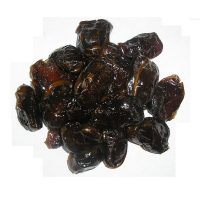
Kabkab Date Special wholesale price + analysis + sale offer
This date is in the category of Semi Dried dates. Their moisture level of kabkab date is between 15-18%. The moisture level depends on the harvest time, the location of cultivation and irrigation. Farmers grow this date mostly in southern…
-
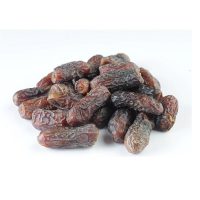
Piarom dates or Maryami
Name: piarom dates | Maryami date | Semi Dried Date Moisture : 15% Short Description : Piyarom date or Maryami (Myriam) date , This date is the most expensive and luxurious Semi Dried date. Their moisture level of Piarom Date is…
-
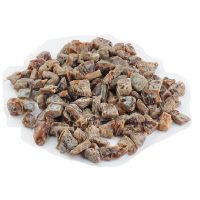
chopped dates Special wholesale price + analysis + sale offer
Chopped Dates are produced from dry and semi-dried dates, such as Sayer Date, Zahedi Date, Piarom Date, etc. To produce chopped dates, first, the customer needs to choose the Date type, then we will wash the dates and dry them…
-
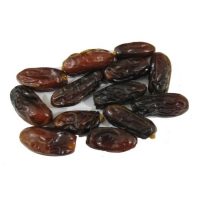
Rabbi Date Special wholesale price + analysis + sale offer
Rabbi Date | one of hte most popular dates | These types of dates are most popular for their taste and their moisture level. Their Moisture level of Rabbi Date is approximately 12% and that`s why Rabbi Sates are categorized…
-
Shahabi Date Special price + analysis + sale offer
These types of dates are most popular for their reasonable price. Their Moisture level of Shahabi Date is approximately 15% and that`s why Shahabi Dates are categorized as Semi-Dried Date. Their rate of moisture affects their perceivable levels. They are…
-
Shahani Date Special price + analysis + sale offer
This type of dates are the most popular ones among dates for export. They are mainly from southern provinces of Iran. Customers demand Sayer Date (Semi Dried) because of its taste and usage. Their medium rate of moisture, affects their…
 3 kind raisin