When buyers compare premium Iranian dates, the discussion around Mazafati vs Sayer dates often becomes a key decision point. In today’s competitive dried fruit market, selecting the right variety directly impacts profitability. Therefore, importers, wholesalers, and distributors must clearly understand the commercial differences between these two leading date types.
Iranian Mazafati Date Supplier and Whole seller
What Are Mazafati Dates?
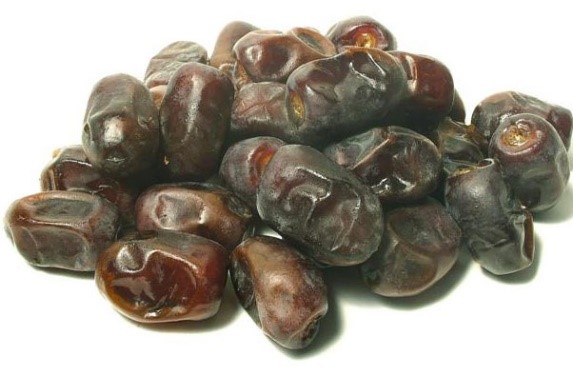
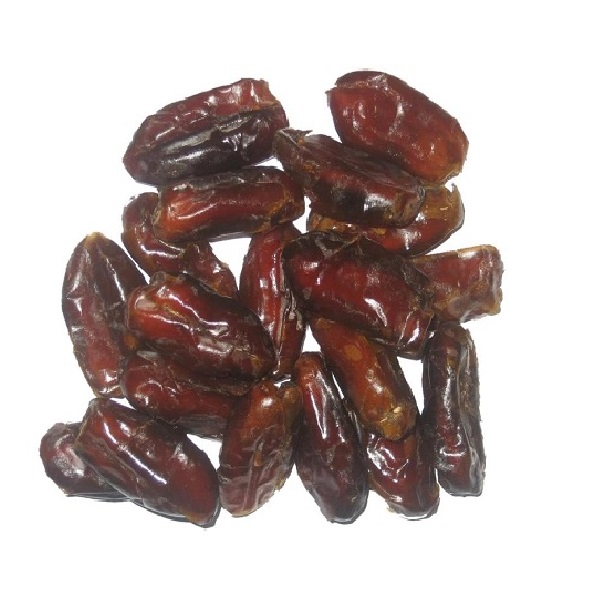
Mazafati date stands among the most popular soft dates in global markets. Primarily, farmers cultivate this variety in Bam, where the warm climate and fertile soil create ideal growing conditions.
Mazafati dates feature a dark brown to black color and a soft, juicy texture. Because of their moisture content, which ranges between 15% and 35%, they deliver a rich and fresh taste. As a result, consumers prefer Mazafati dates for direct consumption. In addition, their natural sweetness and smooth texture make them highly attractive in premium retail sectors.
Retailers usually store Mazafati dates in refrigerated facilities to maintain quality. For this reason, exporters rely on cold-chain logistics to protect freshness during shipment. Consequently, suppliers position Mazafati dates in high-end supermarkets rather than in bulk industrial markets.
What Are Sayer Dates?
Sayer date offers a different commercial advantage. Unlike Mazafati, growers produce Sayer dates mainly in Khuzestan Province, one of Iran’s largest agricultural regions.
Sayer dates contain less than 18% moisture. Therefore, they have a firmer texture and a longer shelf life. In contrast to softer varieties, Sayer dates tolerate handling and transportation with minimal risk. As a result, wholesalers prefer them for large-scale exports.
Moreover, many food manufacturers select Sayer dates for date paste and date syrup production. Because they require less complex storage conditions, companies reduce operational costs. Thus, Sayer dates create strong opportunities in industrial and wholesale markets.
Mazafati vs Sayer Dates: Key Commercial Differences
The main differences between Mazafati and Sayer dates involve moisture, texture, storage, and logistics. On one hand, Mazafati dates offer premium softness, visual appeal, and superior taste. On the other hand, Sayer dates provide durability, efficiency, and easier transportation.
Mazafati dates target luxury retail segments. Meanwhile, Sayer dates support bulk trading strategies. In terms of logistics, Sayer dates lower shipping risks. However, Mazafati dates often generate higher unit margins in premium markets.
Which Date Variety Should You Choose?
Ultimately, your target market determines the right choice. If you focus on premium supermarkets in Europe, Asia, or the Middle East, Mazafati dates can strengthen your brand image. Conversely, if you operate in food manufacturing or large-scale distribution, Sayer dates can improve cost control and scalability.
Iran competes actively with major producers such as Saudi Arabia and Egypt. Therefore, selecting the right Iranian date variety helps you stay competitive in global trade.
In conclusion, Mazafati vs Sayer dates is not simply a taste comparison. Rather, it is a strategic business decision. When you align product selection with storage capacity, logistics strategy, and customer demand, you increase efficiency, improve margins, and build long-term success in the international date market.
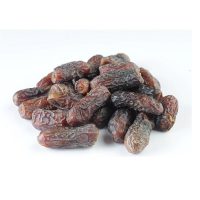
Sayer Date (Semi Dried) : These types of Dates (Sayer Date) are the most popular ones among dates for export because of their moisture level which is between 15-18% and that`s why these dates are categorized as Semi Dried. The…
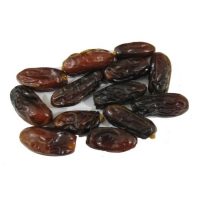
Zahedi Date | The Best Iranian Dry Date | Zahedi dates or (Zahidi Date) are considered a dried date with moisture under 12%. This Date is mostly grown in Southern Provinces of Iran, mostly in Posht-e Kuh, Hormozgan and Bushehr…
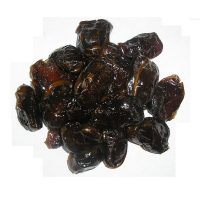
Mazafati Date (Mozafati Date, Bam Date) is a fresh date fruit with moisture level between 20-25%. The moisture level depends on the harvest time, the location of cultivation and irrigation. Farmers grow this date mostly in southern Iran provinces such…
This date is in the category of Semi Dried dates. Their moisture level of kabkab date is between 15-18%. The moisture level depends on the harvest time, the location of cultivation and irrigation. Farmers grow this date mostly in southern…
Name: piarom dates | Maryami date | Semi Dried Date Moisture : 15% Short Description : Piyarom date or Maryami (Myriam) date , This date is the most expensive and luxurious Semi Dried date. Their moisture level of Piarom Date is…
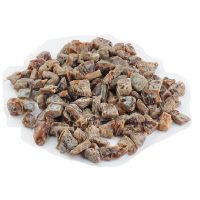
Chopped Dates are produced from dry and semi-dried dates, such as Sayer Date, Zahedi Date, Piarom Date, etc. To produce chopped dates, first, the customer needs to choose the Date type, then we will wash the dates and dry them…
Rabbi Date | one of hte most popular dates | These types of dates are most popular for their taste and their moisture level. Their Moisture level of Rabbi Date is approximately 12% and that`s why Rabbi Sates are categorized…
These types of dates are most popular for their reasonable price. Their Moisture level of Shahabi Date is approximately 15% and that`s why Shahabi Dates are categorized as Semi-Dried Date. Their rate of moisture affects their perceivable levels. They are…
This type of dates are the most popular ones among dates for export. They are mainly from southern provinces of Iran. Customers demand Sayer Date (Semi Dried) because of its taste and usage. Their medium rate of moisture, affects their…



 3 kind raisin