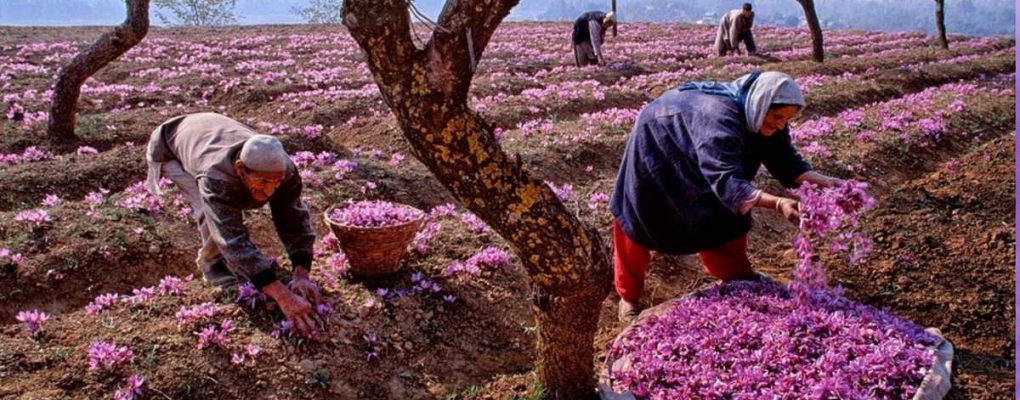
Kashmiri and Iranian saffron comparison
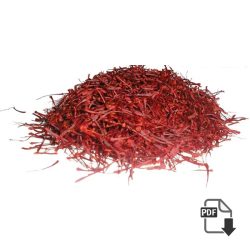
Kashmiri and Iranian saffron comparison: The main difference between Kashmiri and Iranian Saffron is the yield of stigmas, which is about 75%.The excess yield is because the stigmas of saffron cultivated in Kashmir are extremely long and have a thick head. They are also of a deep red color. The size of the stigmas indicates the inherent suitability of the soil and climate for this product.
Thus, by just physically observing the saffron, its origin can be identified provided it has not been blended with saffron from various origins. The blending is normally done by importers in non-producing countries because of the wide disparities in prices: the Iranian Saffron is about 1/2 the price of Kashmiri Saffron.


Kashmiri vs. Iranian Saffron: A Comprehensive Comparison
Kashmiri and Iranian saffron are among the world’s most renowned saffron varieties. While both come from Crocus sativus L., they differ in appearance, production volume, flavor profile, availability, and market position.
Quick Comparison
| Feature | Iranian Saffron | Kashmiri Saffron |
|---|---|---|
| Main Production Area | Khorasan Province | Pampore, Kashmir |
| Share of Global Production | Over 85–90% | Less than 1% |
| Color | Deep crimson red | Deep crimson with darker maroon tones |
| Aroma | Strong, sweet, floral | Rich, warm, earthy |
| Flavor | Mild bitterness with floral notes | More intense, slightly earthy |
| Crocin (Color Strength) | Very high | High |
| Safranal (Aroma) | High | Often perceived as very intense |
| Availability | Widely available | Limited production |
| Price | Competitive | Usually higher due to scarcity |
Production Scale
Iranian Saffron
Iran is the world’s largest saffron producer, supplying the majority of global demand. Large-scale cultivation, favorable climate, and decades of expertise make Iranian saffron the leading choice for international food manufacturers and exporters.
Kashmiri Saffron
Kashmiri saffron is produced mainly in the Pampore region of Jammu and Kashmir. Annual production is relatively small, making it a niche product that often commands premium prices.
Appearance
Iranian Saffron
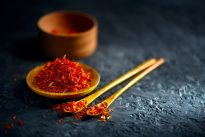
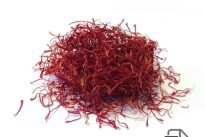
- Long, thick red stigmas
- Uniform color
- Available in several commercial grades such as:
- Negin
- Super Negin
- Sargol
- Pushal
Kashmiri Saffron
- Slightly shorter, thicker threads
- Deep maroon-red color
- Naturally high pigment concentration
- Usually sold as whole stigmas
Aroma and Flavor
Iranian
- Floral
- Honey-like
- Slightly sweet
- Balanced aroma
Kashmiri
- Earthier
- Stronger fragrance
- Rich and persistent aroma
- Often preferred for traditional Indian cuisine
Coloring Strength
Coloring strength is commonly measured by crocin content (ISO 3632).
| Characteristic | Iranian | Kashmiri |
|---|---|---|
| Color Strength | Excellent | Excellent |
| International Availability | High | Limited |
| Consistency | Very consistent | Can vary due to smaller production |
Premium saffron from either origin can achieve ISO 3632 Category I when properly cultivated and processed.
Culinary Uses
Iranian Saffron
Ideal for:
- Rice dishes
- Desserts
- Beverages
- Ice cream
- Bakery products
- Industrial food processing
Kashmiri Saffron
Popular for:
- Kashmiri Kahwa tea
- Biryani
- Rogan Josh
- Traditional sweets
- Premium culinary applications
Price Comparison
Kashmiri saffron is generally more expensive because:
- Production volumes are much lower.
- Harvesting areas are limited.
- Demand often exceeds supply.
Iranian saffron, while still a premium spice, benefits from larger production volumes and offers a wider range of grades and price points.
Export Perspective
Advantages of Iranian Saffron
- Stable supply
- Wide variety of commercial grades
- Competitive pricing
- Established export infrastructure
- Available in bulk quantities
Advantages of Kashmiri Saffron
- Strong regional identity
- Premium market positioning
- Limited availability enhances exclusivity
- Favored in certain gourmet and traditional markets
Which Is Better?
There is no universal winner—it depends on the intended use.
- Choose Iranian saffron if you need:
- Reliable bulk supply
- Excellent color strength
- Competitive pricing
- Multiple quality grades for export
- Choose Kashmiri saffron if you need:
- A rare, premium product
- Distinctive aroma for specialty dishes
- Small-batch gourmet positioning
Conclusion
Both Iranian and Kashmiri saffron are exceptional products from Crocus sativus. Iranian saffron dominates the global market because of its consistent quality, broad availability, and competitive pricing. Kashmiri saffron, although produced in much smaller quantities, is prized for its rarity and distinctive aroma. For most international buyers, Iranian saffron offers the best balance of quality, consistency, and value, while Kashmiri saffron appeals to niche gourmet and specialty markets.
mancha saffron ( Pushal ) Special wholesale price + analysis + sale
All Type Of Saffron
-
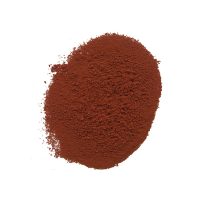
Saffron Powder Special price + analysis + sale offer
Saffron Powder is not a kind of saffron such as Negin or Pushal. It is a form of saffron, which producers make from grinding the saffron threads in the industrial scope. The final product color is slightly lighter than the…
-
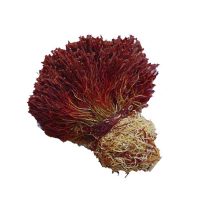
bunch saffron Special wholesale price + analysis + sale offer
Bunch Saffron has different names, such as Dasteh Saffron or Dokhtar Pich Saffron (Dochtar Pitsch Saffron, or Dokhtar Saffron). Dasteh Saffron is the complete stigma (filament) of saffron in bundles. In other words, it contains the stigma with the whole…
-
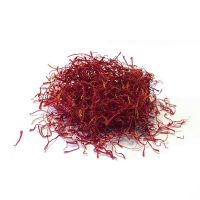
mancha saffron ( Pushal ) Special wholesale price + analysis + sale offer
Mancha Saffron is the stigma part. Since in Pushal is not cut like Allred during production so the complete red-colored parts are maintained along with a little bit of the orange-colored threads. All the three stigma threads are attached like…
-
Sargol Saffron | most economical saffron for import
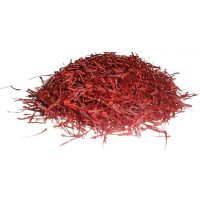
Sargol Saffron | most economical saffron for import : sargol saffron consists only of Dark Red Stigma (thread) Tips. So. in other words all the white and orange parts are removed. This saffron is the second most expensive type of…
-
all red saffron | super negin saffron Special price + analysis + sale offer
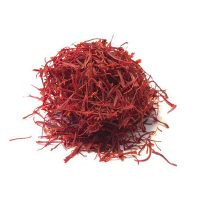
All Red Saffron | Super Negin Saffron | Best Iranian Saffron : Negin Saffron is the most expensive type of Saffron because it has the highest quality compared to other types. When three stigma threads are attached together we call…
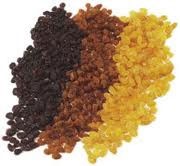 3 kind raisin