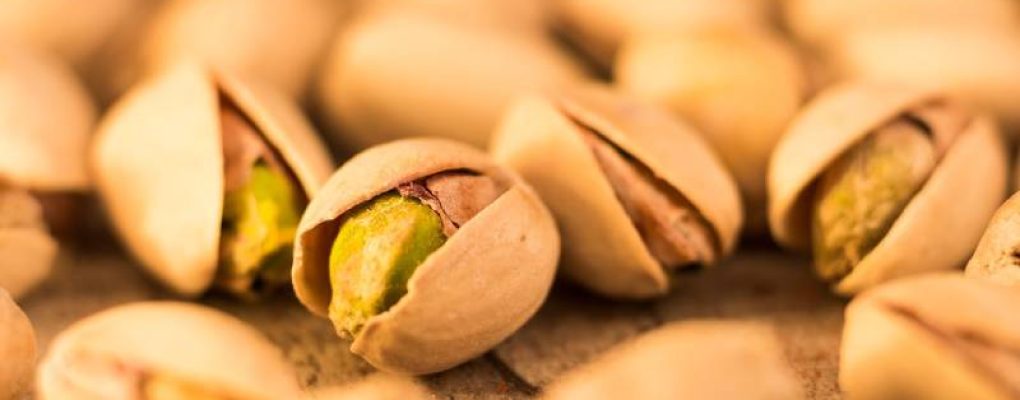
Quality, Safety & Market Value
Why European Pistachio Standards Matter
The European Union (EU) enforces some of the world’s strictest food quality and safety regulations. As a result, pistachio producers and exporters must meet high standards to gain access to this lucrative market. For this reason, understanding EU requirements is essential for staying competitive, building trust, and ensuring smooth market entry.European Standards for Pistachios
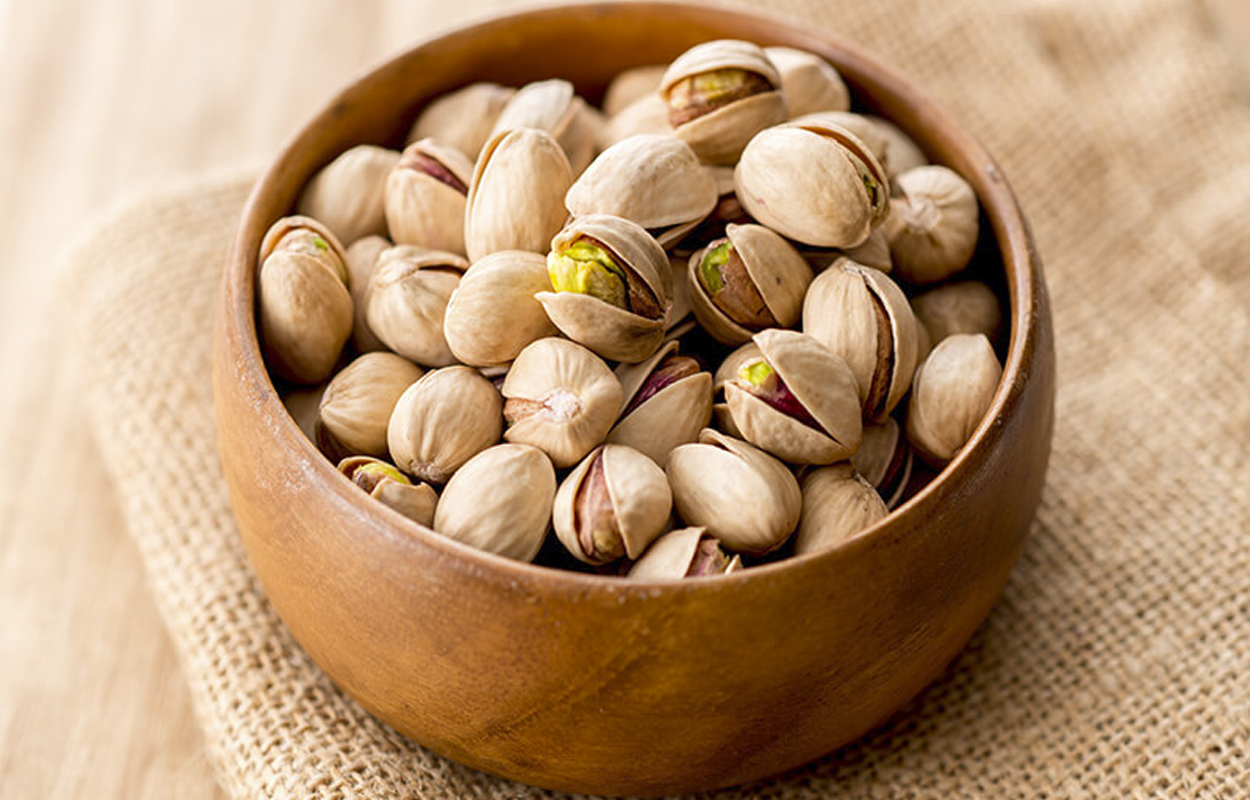
Key Quality Requirements for Pistachios in Europe
1. Aflatoxin Levels
Aflatoxins, which are harmful toxins produced by molds, are one of the EU’s primary concerns. Therefore, all pistachios must undergo rigorous lab testing before importation.
-
Maximum aflatoxin B1: 8 µg/kg
-
Total aflatoxins (B1, B2, G1, G2): 10 µg/kg
If levels exceed these limits, the shipment is rejected or removed from sale. Consequently, it’s critical for exporters to monitor contamination during harvesting and storage.
2. Moisture Content
Proper drying is essential for shelf life and safety. Pistachios must not contain more than 6.5% moisture. In fact, exceeding this limit may lead to mold development and spoilage. Thus, drying and storage conditions must be strictly controlled.European Standards for Pistachios
3. Foreign Matter and Defects
The EU uses a visual grading system to assess the quality of pistachios. Specifically, it evaluates:
-
Cracked or broken shells
-
Discoloration
-
Presence of foreign materials (such as stones or shells)
To meet premium grades, the total defect rate must remain low—typically under 1–2%. As a result, only the best-quality pistachios qualify for Grade Extra or Grade I.
EU Labeling and Traceability Requirements
Clear Product Information
Labeling must comply with EU food information regulations. Each package must include:
-
Product name (“Pistachios” or “Roasted Pistachios”)
-
Country of origin
-
Net weight and best-before date
-
Allergen declaration (pistachios are tree nuts)
In addition, if the pistachios are salted, roasted, or flavored, nutritional values must be displayed.
Traceability and Certification
EU laws require full traceability from farm to shelf. Therefore, producers must keep detailed records of origin, batch numbers, and any treatment processes. Certifications such as HACCP, ISO 22000, or IFS Food increase credibility and are often required by major European buyers.
How to Enter the European Pistachio Market
To successfully enter the EU market, follow these steps:
-
Partner with certified laboratories for aflatoxin testing
-
Use approved facilities for drying and packaging
-
Maintain clear documentation for customs
-
Collaborate with local distributors familiar with EU compliance
Additionally, investing in professional quality assurance builds trust and improves long-term sales.
Conclusion: Quality is Your Competitive Edge
Complying with European pistachio standards is more than a legal formality—it’s a mark of quality. By meeting EU requirements, you signal safety, professionalism, and product excellence. Ultimately, this opens doors to premium markets and long-term customer loyalty. So, if you want to succeed in Europe’s food sector, start with the standards—and exceed them.
https://www.irandriedfruit.com/export-rose-water-to-the-usa/
All Type Of Pistachios
-
Pistachio Akbari Super Long Special wholesale price + analysis + sale offer
Another name for Long Akbari Pistachio is Super Long Pistachio. This name is based on the shape of the pistachio. This type of Pistachio is the most expensive and the oldest pistachio type in Iran. The reason why this type…
-
Round Pistachio | Fandoghi Pistachio Special price + analysis + sale offer
Round Iranian Fandoghi Pistachio High Quality Only for Export : This type of Pistachio is the least expensive type among all the pistachios. The reason why its price is lower than other types is because of its shape and high…
-
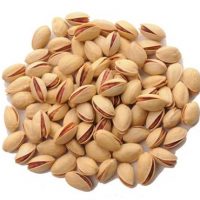
iranian Ahmad Aghaei Pistachio Special price + analysis + sale offer
Ahmad Aghaei Pistachio ( Long iranian Pistachios ) : This type of Pistachio (Long Ahmad Aghaei Pistachio) is one of the popular types. The reason why it is popular than the other type of pistachio is that it has the…
-
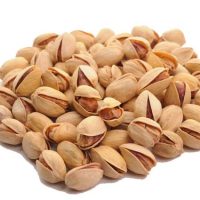
Iranian Jumbo Pistachio | Kale Ghuchi Pistachio Special price + analysis
This type of Pistachio is the most delicious type among all the pistachios. The reason why it is tastier than the others is it is fattier. The color of the Jumbo Pistachio shell is naturally light cream. As it is…
-
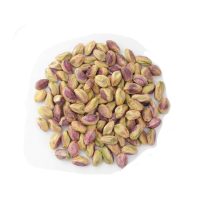
pistachio kernel Special wholesale price + analysis + sale offer
Producers make Pistachio Kernel from all types of Pistachios. A quality factor for kernels is their sizes. The more the color of the kernel`s second skin is violet and sharp the more it is popular among users. Higher the level…
-
Green Pistachio Kernel ( GPPK ) Special wholesale price
Producers make Pistachio Kernel from all types of Pistachios. A quality factor for kernels is their sizes. The more the color of the kernel`s second skin is violet and sharp the more it is popular among users. Higher the level…
 3 kind raisin