What Every Buyer Should Know
Why Pistachio Kernel Quality Is Crucial for Success
Pistachio kernels are a premium nut product in the global food market. Because pistachios are used in confectionery, baking, snacks, and gourmet dishes, their quality directly impacts consumer satisfaction and brand reputation.
Moreover, the demand for high-quality pistachio kernels is rising due to health trends and growing awareness about food safety. Therefore, understanding the differences between low and high-quality kernels helps suppliers and buyers make informed decisions that protect their investment.Low vs High-Quality Pistachio Kernels
Key Differences Between Low and High-Quality Pistachio Kernels
1. Appearance and Color
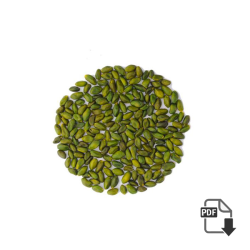
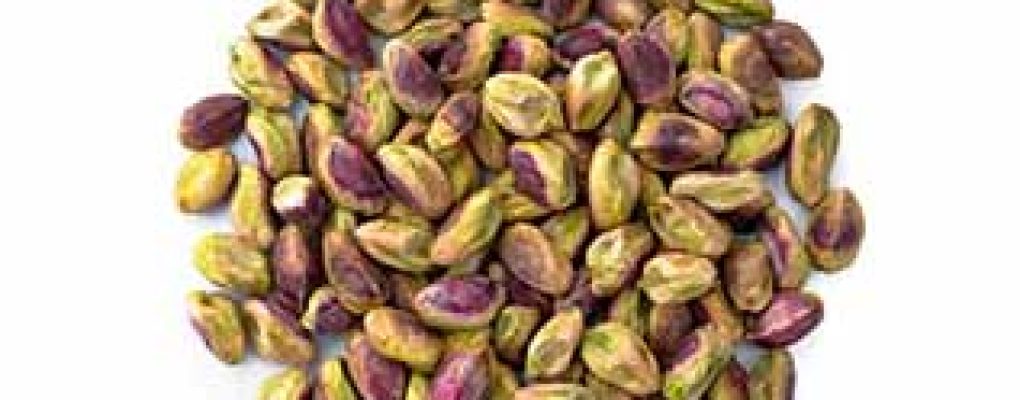
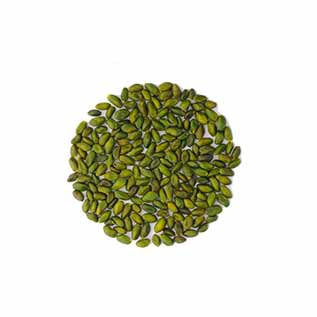
High-quality pistachio kernels have a uniform, pale green color with a slight purple tint. The kernels should look fresh, plump, and free from stains or discoloration.
On the other hand, low-quality kernels often appear dull, shriveled, or unevenly colored. Sometimes they carry brown spots or broken pieces, which can signal poor handling or storage.
Since appearance is the first impression for buyers and consumers, maintaining consistent quality here is vital.
2. Taste and Texture
Premium pistachio kernels offer a sweet, nutty flavor with a firm but tender texture. When properly processed, they retain their natural aroma and crunch.
In contrast, low-quality kernels may taste bitter, rancid, or stale. Additionally, kernels that feel dry or overly soft indicate poor freshness or improper drying.
Because taste is key to repeat purchases, ensuring top flavor and texture is essential for brand loyalty.
3. Moisture Content and Freshness
High-quality pistachios maintain a moisture content between 4-6%, which helps preserve freshness and shelf life. Excess moisture can cause mold or spoilage, while too little can make the nut brittle.
Low-quality kernels often suffer from inconsistent drying, leading to higher moisture, mold risk, or dryness. Such issues reduce product safety and consumer appeal.
4. Cleanliness and Foreign Matter
The best pistachio kernels are clean, free from shells, dust, and debris. They also meet international food safety standards, including ISO and HACCP certifications.
Low-quality lots may contain shell fragments, foreign materials, or broken kernels, which harm product perception and pose health risks.
Why Quality Matters for Commercial Success
Premium Pricing and Market Access
High-quality pistachio kernels command higher prices due to their superior appearance, taste, and safety. Furthermore, premium quality helps brands enter gourmet, organic, and export markets, especially in Europe, the U.S., and Asia.
Conversely, low-quality pistachios often sell at discount prices, limiting profitability and damaging brand reputation.
Packaging and Storage Impact Quality Retention
Even the best kernels degrade if not packed properly. Vacuum-sealed, moisture-proof packaging protects freshness and extends shelf life. Clear labeling and certifications further build buyer confidence.
Conclusion: Choose Quality for Long-Term Growth
The difference between low and high-quality pistachio kernels goes beyond appearance—it affects flavor, safety, and brand value. For exporters and buyers alike, prioritizing quality ensures customer satisfaction and sustained success.
So, invest in trusted suppliers, rigorous quality control, and proper packaging to capture the premium pistachio market.Low vs High-Quality Pistachio Kernels
https://www.irandriedfruit.com/dried-mulberries-bulk-export/
All Type Of Pistachios
-
Pistachio Akbari Super Long Special wholesale price + analysis + sale offer
Another name for Long Akbari Pistachio is Super Long Pistachio. This name is based on the shape of the pistachio. This type of Pistachio is the most expensive and the oldest pistachio type in Iran. The reason why this type…
-
Round Pistachio | Fandoghi Pistachio Special price + analysis + sale offer
Round Iranian Fandoghi Pistachio High Quality Only for Export : This type of Pistachio is the least expensive type among all the pistachios. The reason why its price is lower than other types is because of its shape and high…
-
iranian Ahmad Aghaei Pistachio Special price + analysis + sale offer
Ahmad Aghaei Pistachio ( Long iranian Pistachios ) : This type of Pistachio (Long Ahmad Aghaei Pistachio) is one of the popular types. The reason why it is popular than the other type of pistachio is that it has the…
-
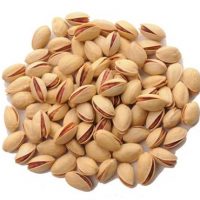
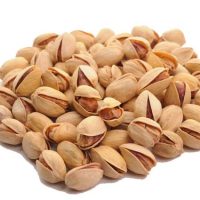
Iranian Jumbo Pistachio | Kale Ghuchi Pistachio Special price + analysis
This type of Pistachio is the most delicious type among all the pistachios. The reason why it is tastier than the others is it is fattier. The color of the Jumbo Pistachio shell is naturally light cream. As it is…
-
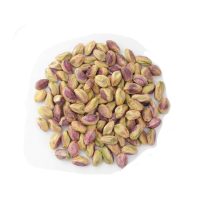
pistachio kernel Special wholesale price + analysis + sale offer
Producers make Pistachio Kernel from all types of Pistachios. A quality factor for kernels is their sizes. The more the color of the kernel`s second skin is violet and sharp the more it is popular among users. Higher the level…
-
Green Pistachio Kernel ( GPPK ) Special wholesale price
Producers make Pistachio Kernel from all types of Pistachios. A quality factor for kernels is their sizes. The more the color of the kernel`s second skin is violet and sharp the more it is popular among users. Higher the level…
 3 kind raisin