
What Buyers Need to Know
Why Saffron Quality Matters More Than Ever
Saffron is the world’s most expensive spice, often called “red gold” for its color, rarity, and culinary value. However, not all saffron is created equal. Understanding the difference between low and high-quality saffron is essential, especially for exporters, buyers, and food producers targeting premium markets.Low vs High-Quality Saffron
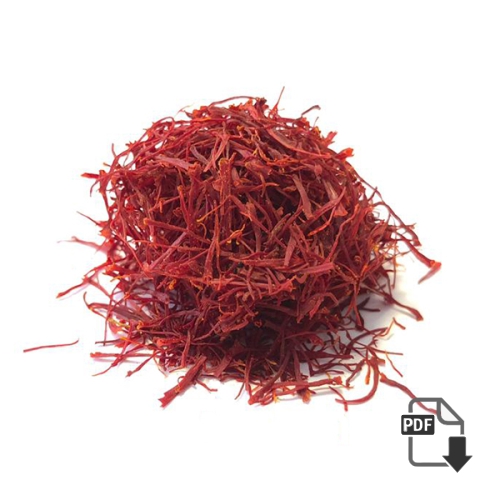
In recent years, the demand for pure, traceable saffron has surged due to its use in gourmet cuisine, wellness products, and cosmetics. As a result, consumers are becoming more selective, and the market strongly favors quality over price alone.
Key Differences Between Low and High-Quality Saffron
1. Appearance and Color
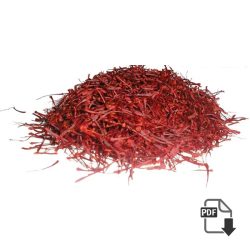
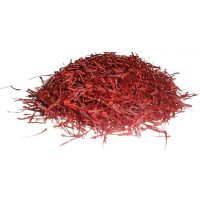
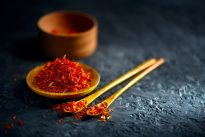
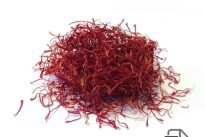
High-quality saffron consists of deep red stigmas with minimal yellow or orange threads. The color should be uniform, and the strands should appear dry but not brittle.
In contrast, low-quality saffron may contain pale or broken threads, often mixed with floral waste or dyed materials. Because visual cues are the first indicator of quality, color and cleanliness are crucial for credibility.Low vs High-Quality Saffron
2. Aroma and Flavor
True premium saffron carries a strong, earthy aroma with notes of hay and honey. Its flavor is intense, slightly bitter, and complex.
Low-grade saffron often lacks this signature fragrance. If the spice has little to no smell, it’s likely stale, adulterated, or poorly stored. Therefore, aroma testing is a reliable way to distinguish quality before purchasing.
3. Crocin, Safranal, and Picrocrocin Content
These three compounds define the color strength, aroma, and flavor of saffron. High-quality saffron contains:
-
crocin levels for vibrant golden coloring
-
High safranal for rich aroma
-
High picrocrocin for bold flavor
Certified labs can test saffron to ISO 3632 standards, which classify saffron into Grade I (highest), Grade II, and Grade III. Because premium buyers demand documentation, offering test reports adds serious value.
Why Quality Impacts Market Value and Trust
Trust, Pricing, and Repeat Business
Saffron buyers in Europe, the U.S., and the Gulf region look for transparency and consistency. Supplying low-quality or adulterated saffron damages brand trust and often results in lost contracts.
On the other hand, high-quality saffron commands significantly higher prices, builds brand loyalty, and opens access to gourmet food producers, herbal brands, and cosmetics manufacturers.
Packaging and Storage Matter
Even top-grade saffron can degrade if stored improperly. Airtight, UV-protected containers are essential to maintain potency during shipping and shelf life. Furthermore, premium packaging signals premium quality, especially in luxury markets.
Conclusion: Quality Saffron Pays Off
In today’s saffron market, quality directly affects value, demand, and long-term success. While low-grade saffron may attract budget buyers, high-quality saffron creates lasting partnerships and better margins.
So, whether you’re producing, exporting, or branding saffron, investing in premium quality and third-party certification is the smartest path to growth in competitive markets.
https://www.irandriedfruit.com/iran-pistachio/
All Type Of Saffron
-
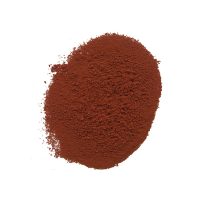
Saffron Powder Special price + analysis + sale offer
Saffron Powder is not a kind of saffron such as Negin or Pushal. It is a form of saffron, which producers make from grinding the saffron threads in the industrial scope. The final product color is slightly lighter than the…
-
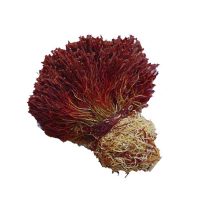
bunch saffron Special wholesale price + analysis + sale offer
Bunch Saffron has different names, such as Dasteh Saffron or Dokhtar Pich Saffron (Dochtar Pitsch Saffron, or Dokhtar Saffron). Dasteh Saffron is the complete stigma (filament) of saffron in bundles. In other words, it contains the stigma with the whole…
-
mancha saffron ( Pushal ) Special wholesale price + analysis + sale offer
Mancha Saffron is the stigma part. Since in Pushal is not cut like Allred during production so the complete red-colored parts are maintained along with a little bit of the orange-colored threads. All the three stigma threads are attached like…
-
Sargol Saffron | most economical saffron for import
Sargol Saffron | most economical saffron for import : sargol saffron consists only of Dark Red Stigma (thread) Tips. So. in other words all the white and orange parts are removed. This saffron is the second most expensive type of…
-
all red saffron | super negin saffron Special price + analysis + sale offer
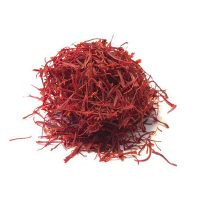
All Red Saffron | Super Negin Saffron | Best Iranian Saffron : Negin Saffron is the most expensive type of Saffron because it has the highest quality compared to other types. When three stigma threads are attached together we call…
 3 kind raisin