In the global spice industry, buyers increasingly compare Iranian vs Afghan saffron before signing supply contracts. Both countries produce high-quality saffron; however, they differ in production scale, market positioning, export structure, and pricing strategy. Therefore, importers, wholesalers, and food manufacturers must carefully evaluate each origin to maximize profitability and ensure stable supply.
Saffron remains the most valuable spice in the world. Consequently, origin, grading, and branding significantly influence purchasing decisions in both retail and bulk markets.
Iranian Saffron: The Global Market Leader
Iranian saffron dominates international trade, supplying more than 80% of global saffron demand. Farmers primarily cultivate saffron in northeastern regions such as Mashhad and across Khorasan Province, where climate and soil conditions support high crocin and safranal levels.
Quality and Grading
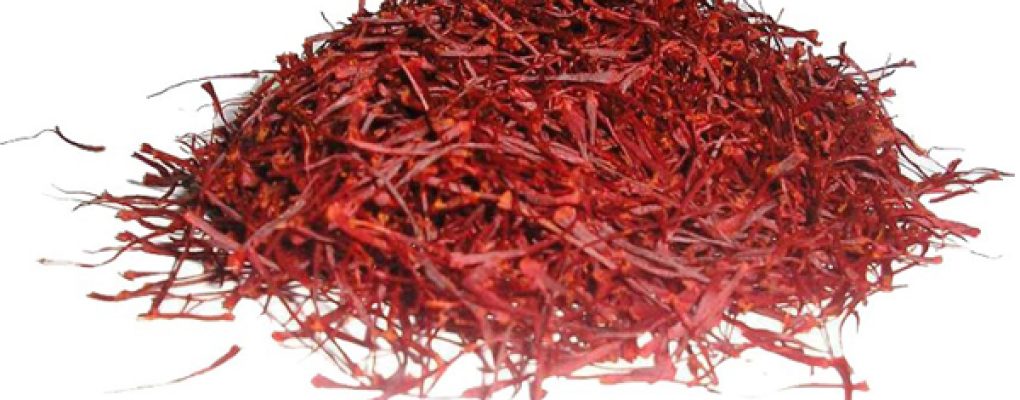
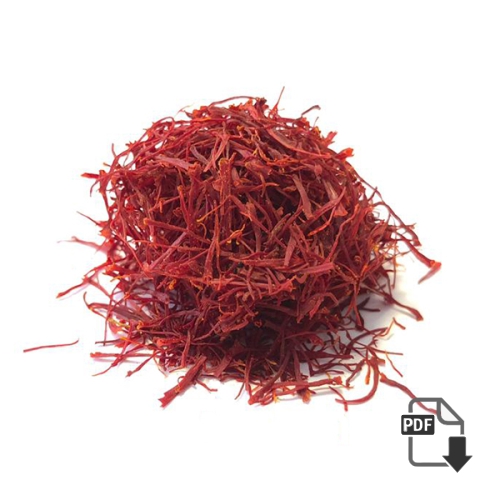
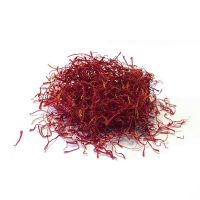
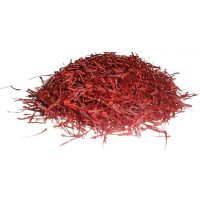
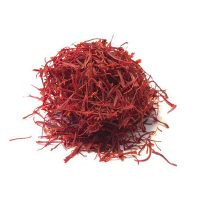
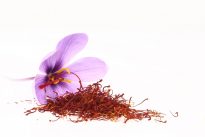
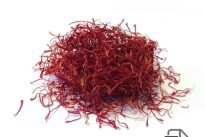
Iranian saffron is known for its strong coloring power, intense aroma, and deep red stigma threads. Moreover, exporters offer multiple grades, including Sargol, Negin, and Pushal. As a result, buyers can choose products based on purity level, thread length, and budget requirements.
Commercial Advantages
Because Iran produces saffron in large volumes, it ensures competitive pricing in bulk markets. Therefore, many international traders purchase Iranian saffron for private labeling and re-export. In addition, established export networks allow suppliers to handle large contracts efficiently.
However, pricing may fluctuate depending on harvest yields and international trade conditions. Consequently, long-term agreements often provide better cost stability.
Afghan Saffron: A Growing Competitor
Afghan saffron has gained international recognition over the past decade. Farmers mainly cultivate it in regions such as Herat, where environmental conditions resemble those of northeastern Iran.
Quality and Market Perception
Afghan saffron often receives strong ratings in international quality tests. In many cases, it offers high coloring strength and excellent aroma. Because production volumes remain lower than Iran’s, suppliers position Afghan saffron as a premium and carefully controlled product.
Furthermore, development programs and international support initiatives have strengthened Afghanistan’s saffron sector. Therefore, Afghan saffron frequently appears in specialty and ethical sourcing markets.
Commercial Positioning
Although Afghanistan produces significantly less saffron than Iran, it benefits from a growing reputation in Europe and North America. As a result, some buyers are willing to pay premium prices for Afghan-origin saffron, especially in niche retail segments.
Iranian vs Afghan Saffron: Key Differences
Production Capacity
Iran leads global production with large-scale output. In contrast, Afghanistan operates on a smaller scale. Therefore, Iranian saffron dominates bulk export markets, while Afghan saffron targets premium niche buyers.
Pricing Strategy
Iranian saffron generally offers more competitive wholesale prices due to higher supply. Meanwhile, Afghan saffron may command higher prices because of limited production and specialized branding.
Supply Stability
Iran’s long-established export infrastructure supports consistent large-volume contracts. On the other hand, Afghan saffron suppliers may focus on smaller, high-margin shipments.
Which Saffron Should You Choose?
If your business requires high-volume supply, private labeling, or industrial use, Iranian saffron provides cost efficiency and scalability. Conversely, if you focus on specialty retail, ethical sourcing, or boutique gourmet markets, Afghan saffron can strengthen brand differentiation.
Ultimately, the Iranian vs Afghan saffron comparison is not about which origin is superior. Rather, it is about aligning product selection with your target market, pricing goals, and long-term trade strategy. By choosing the right source, you can improve margins, secure reliable supply, and grow successfully in the competitive global saffron market.
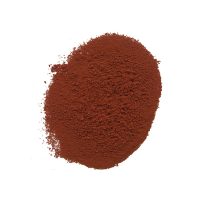
Saffron Powder is not a kind of saffron such as Negin or Pushal. It is a form of saffron, which producers make from grinding the saffron threads in the industrial scope. The final product color is slightly lighter than the…
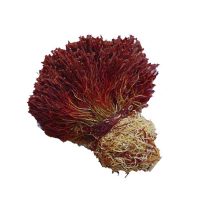
Bunch Saffron has different names, such as Dasteh Saffron or Dokhtar Pich Saffron (Dochtar Pitsch Saffron, or Dokhtar Saffron). Dasteh Saffron is the complete stigma (filament) of saffron in bundles. In other words, it contains the stigma with the whole…
Mancha Saffron is the stigma part. Since in Pushal is not cut like Allred during production so the complete red-colored parts are maintained along with a little bit of the orange-colored threads. All the three stigma threads are attached like…
Sargol Saffron | most economical saffron for import : sargol saffron consists only of Dark Red Stigma (thread) Tips. So. in other words all the white and orange parts are removed. This saffron is the second most expensive type of…
All Red Saffron | Super Negin Saffron | Best Iranian Saffron : Negin Saffron is the most expensive type of Saffron because it has the highest quality compared to other types. When three stigma threads are attached together we call…

 3 kind raisin