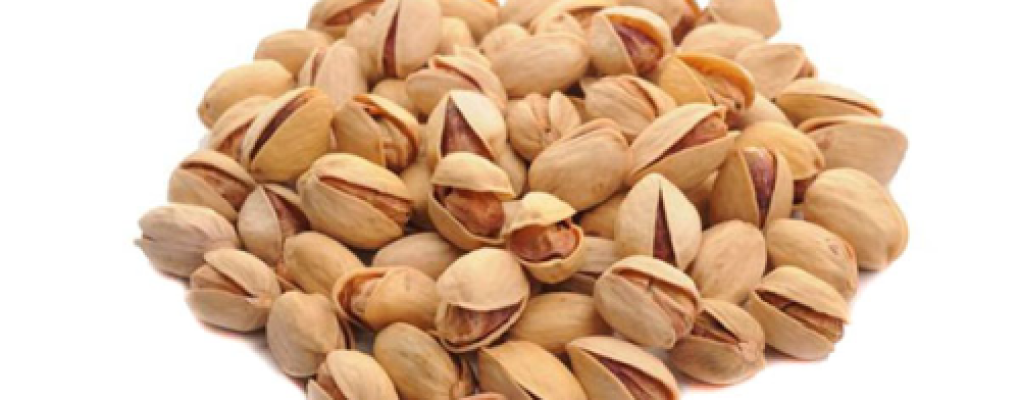
A Complete Market Guide
Pistachios are one of the most profitable and widely traded nuts worldwide. Known for their rich flavor, vibrant green kernels, and high nutritional value, they serve retail, confectionery, ice cream, bakery, and snack industries. However, pistachios vary in grade, and each grade directly affects pricing, quality, and usage. Understanding the different grades of pistachios and their price ranges helps importers, wholesalers, and exporters make informed decisions.Pistachio Different Grades Price

Factors Affecting Pistachio Grades and Prices
Several factors determine pistachio grading and prices. Buyers who consider these elements can secure the best value while meeting market demands.
Quality and Appearance
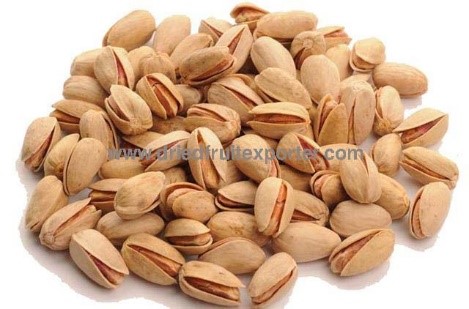
Premium pistachios feature uniform size, bright green color, and minimal defects. Lower-grade pistachios may display uneven kernels, discoloration, or broken shells. Therefore, visual quality directly impacts pricing per ton.
Processing Method
The processing method—whether roasting, salting, peeling, or keeping raw—affects both quality and cost. Careful handling preserves flavor and prevents kernel damage, which explains higher prices for premium grades.
Moisture Content and Shelf Life
High-quality pistachios maintain optimal moisture, extending shelf life and ensuring safe transport. In contrast, lower grades lose freshness faster, which reduces their commercial value.
Different Grades of Pistachios and Their Price Range
Pistachios divide into several commercial grades to suit different market needs.
1. Premium Grade Pistachios
Premium pistachios are uniform, bright green, and visually appealing. Businesses use them for retail packaging, gifting, and high-end culinary applications. Consequently, premium grades achieve the highest price per ton, especially in Europe, North America, and the Middle East.
2. Standard Grade Pistachios
Standard grades may show slight variations in size or color but maintain solid quality. They work well for bulk retail, food processing, and confectionery. As a result, their price per ton is moderate, balancing cost and quality effectively.
3. Industrial Grade Pistachios
Industrial grades suit large-scale food production, including ice cream, bakery fillings, and snack mixes. Appearance matters less in these markets, so industrial grades are more affordable. Therefore, their price per ton remains lower than premium and standard grades, while demand stays consistent.
Global Trends in Pistachio Prices
Global demand for pistachios continues to rise due to increased health awareness and snacking trends. Seasonal changes, crop yields, and export regulations also affect prices. Premium pistachios sell quickly in high-end markets, while industrial grades maintain steady demand in processing industries. Buyers must assess target markets carefully before selecting a grade.
Conclusion
Knowing the different grades of pistachios allows businesses to serve both premium and mass markets efficiently. Premium grades cater to high-end retail and gifting, standard grades fit bulk retail and confectionery, and industrial grades fulfill processing needs. Since each grade has a distinct price point, understanding pistachio grades helps importers, exporters, and wholesalers maximize profits and satisfy diverse customers.
https://www.irandriedfruit.com/raisin-different-grades-price/
All Type Of Pistachios
-
Pistachio Akbari Super Long Special wholesale price + analysis + sale offer
Another name for Long Akbari Pistachio is Super Long Pistachio. This name is based on the shape of the pistachio. This type of Pistachio is the most expensive and the oldest pistachio type in Iran. The reason why this type…
-
Round Pistachio | Fandoghi Pistachio Special price + analysis + sale offer
Round Iranian Fandoghi Pistachio High Quality Only for Export : This type of Pistachio is the least expensive type among all the pistachios. The reason why its price is lower than other types is because of its shape and high…
-
iranian Ahmad Aghaei Pistachio Special price + analysis + sale offer
Ahmad Aghaei Pistachio ( Long iranian Pistachios ) : This type of Pistachio (Long Ahmad Aghaei Pistachio) is one of the popular types. The reason why it is popular than the other type of pistachio is that it has the…
-
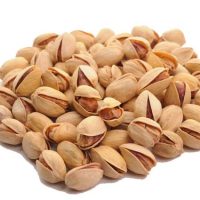
Iranian Jumbo Pistachio | Kale Ghuchi Pistachio Special price + analysis
This type of Pistachio is the most delicious type among all the pistachios. The reason why it is tastier than the others is it is fattier. The color of the Jumbo Pistachio shell is naturally light cream. As it is…
-
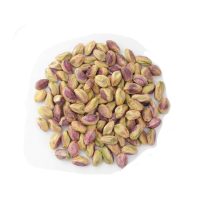
pistachio kernel Special wholesale price + analysis + sale offer
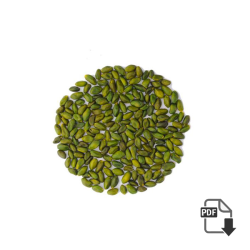
Producers make Pistachio Kernel from all types of Pistachios. A quality factor for kernels is their sizes. The more the color of the kernel`s second skin is violet and sharp the more it is popular among users. Higher the level…
-
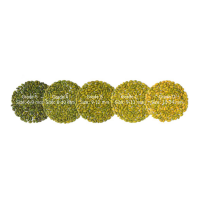
Green Pistachio Kernel ( GPPK ) Special wholesale price
Producers make Pistachio Kernel from all types of Pistachios. A quality factor for kernels is their sizes. The more the color of the kernel`s second skin is violet and sharp the more it is popular among users. Higher the level…
 3 kind raisin